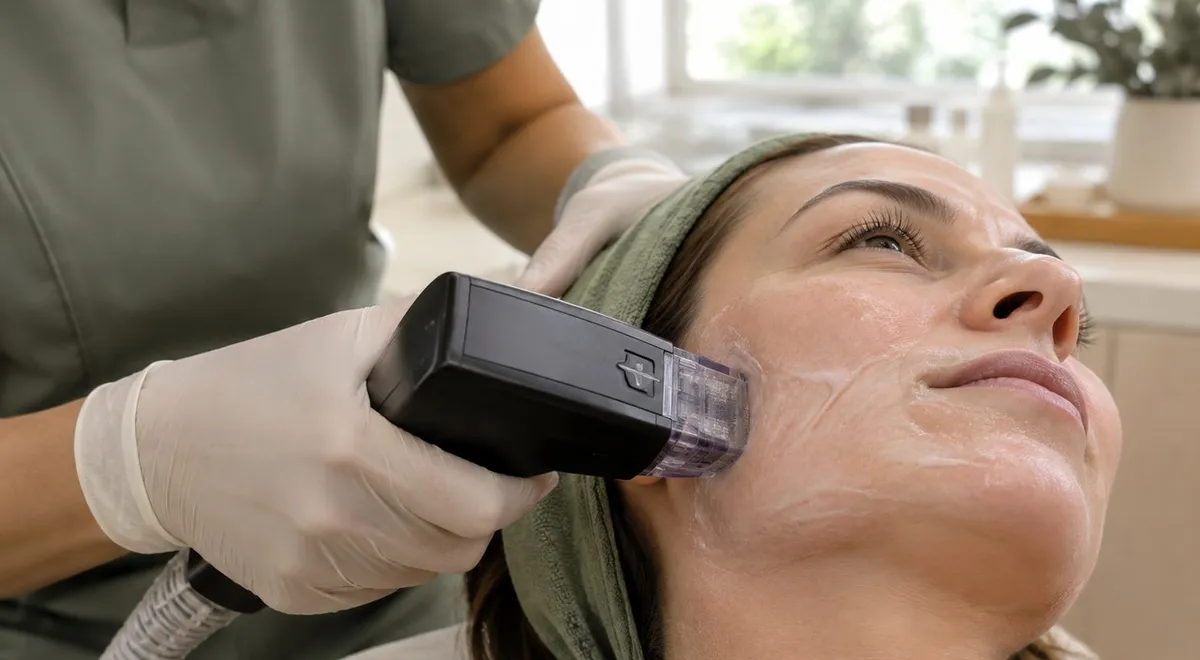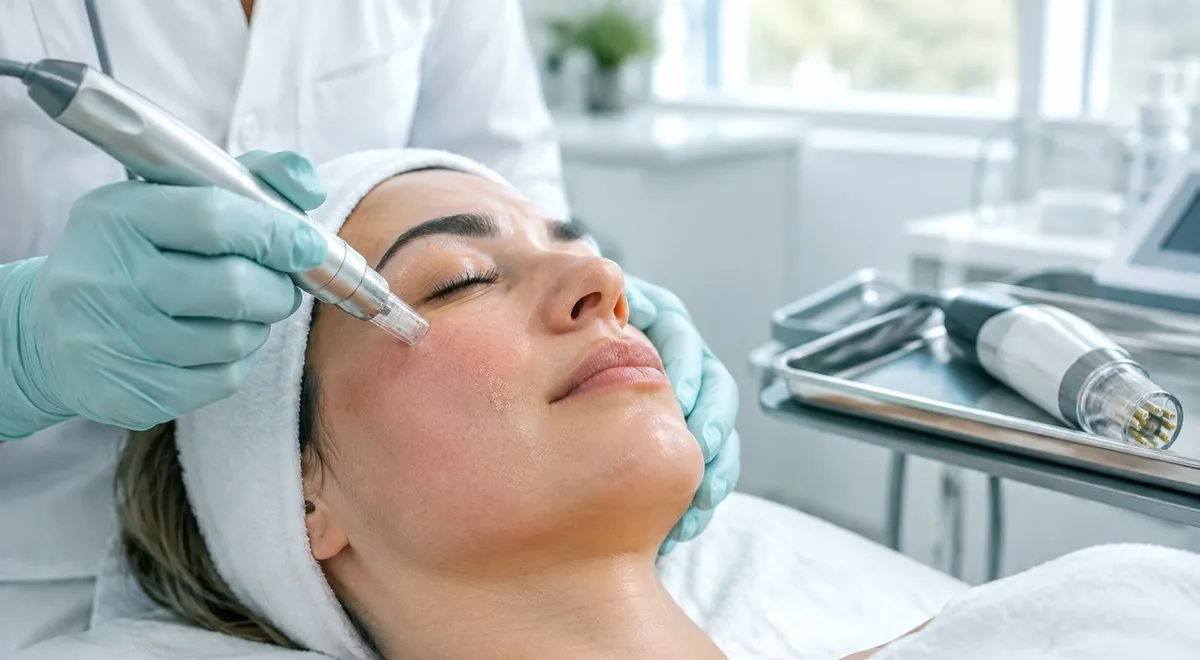
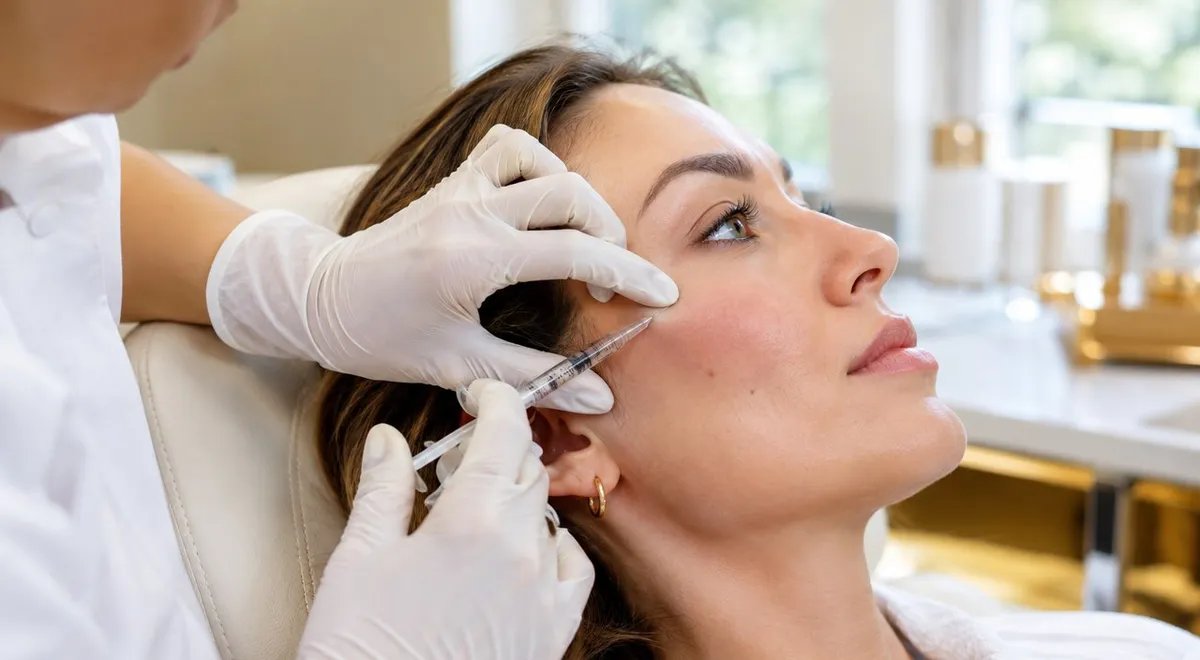
Provider performing SkinPen microneedling on a client’s cheek, with a radiofrequency handpiece on the tray
Reviewed by Dr. Narbeh Tovmassian, MD, FACPWritten by Ani Mardirosian

SkinPen Microneedling: How It Works, Acne Scar Results & SkinPen vs Morpheus8 in Glendale

Microneedling has become one of the most requested skin treatments in the past decade because it works on a range of concerns without the downtime or cost of more aggressive procedures. But not all microneedling devices are the same. SkinPen was the first microneedling device authorized by the FDA for improving the appearance of facial acne scars in adults, which gives it a distinct regulatory position among the devices in its category.

At Elevate Aesthetics LA, SkinPen microneedling treatments are used for acne scarring, texture irregularities, enlarged pores, fine lines, and general skin quality improvements, with protocols adjusted to each patient's skin concerns and tolerance.
How SkinPen Microneedling Works

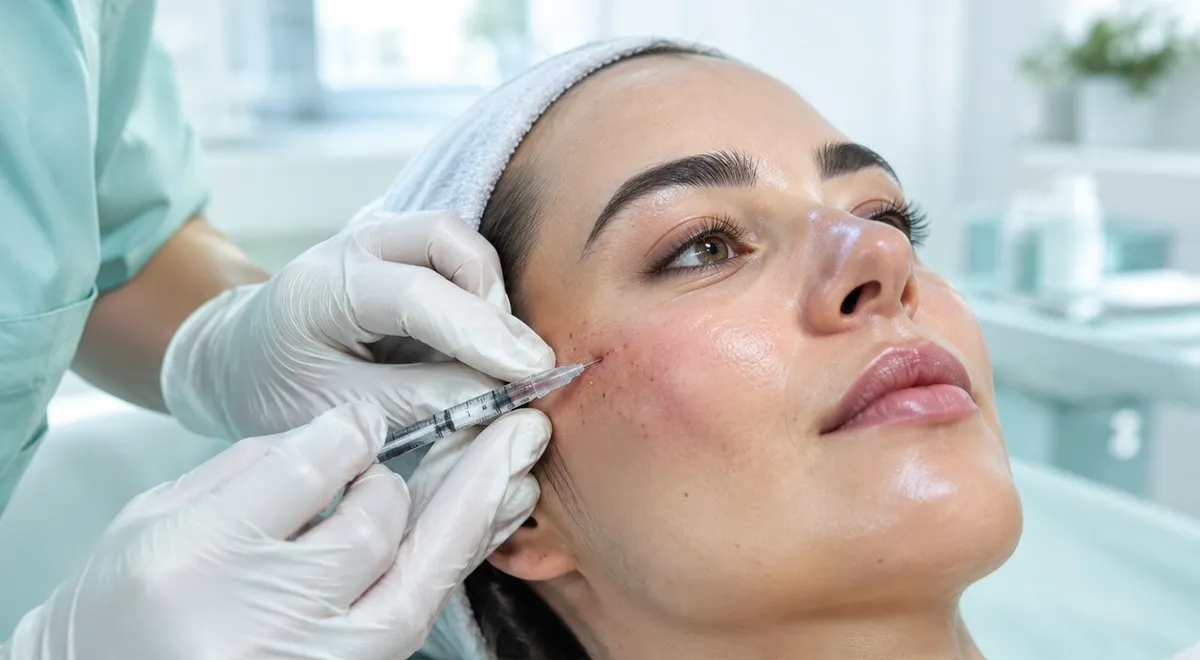
SkinPen uses a sterile cartridge of 14 fine needles that move vertically at a controlled speed and depth. As the device is passed over the skin, it creates thousands of microscopic punctures in the dermis, which trigger the body's wound healing response.

The skin's healing response after microneedling is commonly described in three overlapping phases:

Inflammation phase: The skin's immune response is activated. Growth factors are released that begin the repair process.

Proliferation phase: New collagen, elastin, and capillaries form in the treated area. This is the phase responsible for visible improvements in skin texture and density.

Remodeling phase: The newly formed collagen matures and organizes. Skin quality continues to improve for weeks after treatment and can continue for up to 3 to 6 months after a session.

The key advantage of this mechanism is that it stimulates genuine tissue remodeling rather than removing tissue or applying external substances. The result is real structural improvement in the skin, not a temporary surface effect. Some patients also ask about pairing microneedling with PRP treatments.

FDA Authorization and What It Means

SkinPen Precision was authorized through the FDA's De Novo pathway for improving the appearance of facial acne scars in adults (see the FDA De Novo review). It later received a separate 510(k) clearance for wrinkles of the neck.

The authorization was based on clinical data. In the FDA review, the average acne-scar score improved from 2.80 at baseline to 2.35 at six months, and about 55% of patients showed improvement. Results were meaningful for some patients and modest for others, so expectations should be realistic.

This matters to patients because it provides a level of clinical evidence that goes beyond "microneedling works in general." The specific device and protocol used in the clearance study is what's available in clinics using SkinPen.

Acne Scar Results: What to Expect

Acne scars come in several types, and not all respond the same way to microneedling:

Rolling scars: These have soft, sloped edges that cause the skin to look wavy or uneven. They respond very well to microneedling because the collagen remodeling fills in the gradual depression from below.

Boxcar scars: These have sharp, defined edges and a flat base. They respond to microneedling but often need more sessions and deeper needle depths than rolling scars to see significant improvement.

Ice pick scars: These are deep, narrow, vertical channels in the skin. They are the most challenging scar type for microneedling alone and often benefit from a combination approach that includes chemical reconstruction or subcision. Some patients also pair microneedling with chemical peels for surface texture.

Most patients see meaningful improvement in scar appearance after a series of 3 to 6 sessions, spaced 4 to 6 weeks apart. Multiple sessions generally produce better outcomes than a single treatment, with each session building on the collagen produced in the previous one.

Improvement continues for several weeks after the final session as the remodeling phase completes. It is common for the most visible results to appear 3 to 6 months after the last treatment, not immediately after leaving the clinic.

What the Treatment Feels Like

Before the procedure begins, a topical numbing cream is applied to the face for approximately 30 to 45 minutes. During treatment, most patients feel a mild scratching sensation or vibration. The sensation is generally well tolerated, though areas like the forehead, nose, and jawline tend to be more sensitive than the cheeks.

The full treatment takes approximately 30 to 45 minutes. Immediately after, the skin looks red, similar to a mild sunburn. Redness typically fades within 24 to 48 hours. Fine pinpoint bleeding is normal and is part of the controlled injury that initiates the healing response.

Most patients return to normal activities the following day. Makeup can typically be applied after 24 hours. The primary post-care requirement is consistent SPF use for one to two weeks while the skin completes its initial healing phase.

SkinPen vs Morpheus8: How They Differ

Both SkinPen and Morpheus8 are microneedling devices, but they use different mechanisms and are suited to different concerns.

SkinPen is a mechanical microneedling device. Its primary mechanism is the creation of micro-injuries to stimulate collagen production. It is a controlled, predictable treatment that can be used across Fitzpatrick skin types with a generally lower risk of hyperpigmentation when used at appropriate settings.

Morpheus8 combines microneedling with radiofrequency (RF) energy. The needles penetrate the skin and then deliver RF energy at the tip, heating the deeper dermis and subdermis. This dual mechanism makes Morpheus8 effective for skin tightening, fat remodeling, and deeper structural changes in addition to texture improvement.

In practical terms, the choice between the two depends on what the patient wants to address:

  • For acne scars, uneven texture, and pores with minimal downtime: SkinPen is well-suited.
  • For skin laxity, jowling, contouring, or deeper wrinkles: Morpheus8 adds the

tightening component that mechanical microneedling alone does not provide.

  • For patients with darker skin tones: SkinPen is safer as a standalone treatment because

RF energy in Morpheus8 carries a higher hyperpigmentation risk in higher Fitzpatrick types if settings are not carefully calibrated.

Both can be combined in a comprehensive treatment plan, and you can read more on our Morpheus8 radiofrequency microneedling page. A provider who offers both can recommend which to start with based on your primary concerns and skin type. The team at Elevate Aesthetics LA can evaluate your goals and recommend the right approach during a consultation.

How Many Sessions Are Needed

For general skin quality and texture improvement, most patients see strong results with 3 sessions spaced 4 to 6 weeks apart. For moderate to significant acne scarring, a series of 4 to 6 sessions is more typical.

Results are cumulative. Each session adds to the collagen built in the previous one. Patients sometimes feel impatient after session 1 or 2, when results are minimal, but the improvement that shows after session 3 reflects all three sessions working together. Patients focused on hydration and glow sometimes add SkinVive injections.

Annual maintenance sessions help sustain results over time. The skin continues to age naturally after completing a series, and a once-yearly treatment keeps texture and tone from regressing significantly.

Who Should Wait or Check With a Provider First

Tell your provider before microneedling if you have active acne breakouts, an open wound, eczema, or an infection (including cold sores) in the treatment area, are pregnant, tend to form keloid scars, have a bleeding disorder or take blood thinners, or have used isotretinoin recently. Your provider will advise whether to wait or choose a different treatment.

Frequently Asked Questions

Yes. SkinPen was the first microneedling device authorized by the FDA, through the De Novo pathway, for improving the appearance of facial acne scars in adults. The authorization was based on a clinical study in which average scar scores improved at six months, with results varying by patient.

Most patients see meaningful improvement with 3 to 6 sessions spaced 4 to 6 weeks apart. Mild scarring may respond well in 3 sessions. More significant or deep scarring typically benefits from at least 4 to 6 sessions, with results continuing to improve for several months after the final treatment.

Most patients experience redness and mild swelling for 24 to 48 hours. Most return to normal activities within 24 hours. Makeup can typically be applied after the first full day. The skin may feel slightly rough or dry for a few days as it heals.

SkinPen can be used across Fitzpatrick skin types, and because it does not use heat energy it generally carries a lower hyperpigmentation risk than laser or RF-based treatments. The risk is not zero, and settings are adjusted for skin type and individual sensitivity.

SkinPen uses mechanical microneedling to stimulate collagen production. Morpheus8 combines microneedling with radiofrequency energy to address both texture and skin laxity. SkinPen is better suited for acne scars and surface texture with minimal downtime. Morpheus8 is better suited for tightening, contouring, and deeper structural changes. A consultation helps determine which option fits your specific goals.

Elevate lists current SkinPen microneedling pricing, including single sessions and a three-session package, on its pricing page.

Ready to start improving your skin texture and acne scars? Book a SkinPen consultation at Elevate Aesthetics LA and get a treatment plan tailored to your concerns.

Elevate Aesthetics
509 1/2 E. Broadway, Glendale, CA 91205
4.95 stars
Opening Hours
Monday - Thursday10:00 AM - 5:00 PM
Friday10:00 AM - 4:00 PM
Saturday9:00 AM - 2:00 PM
SundayClosed
Newsletter background

Stay In The Loop

Get updates on new treatments, promotions, and clinic news.