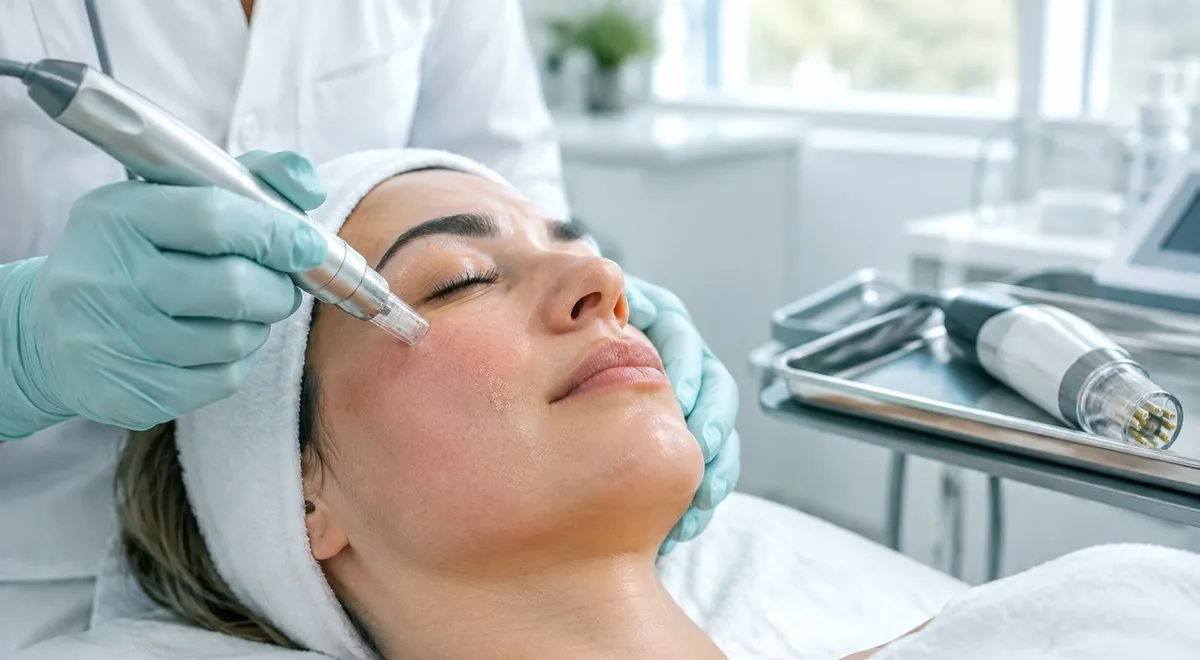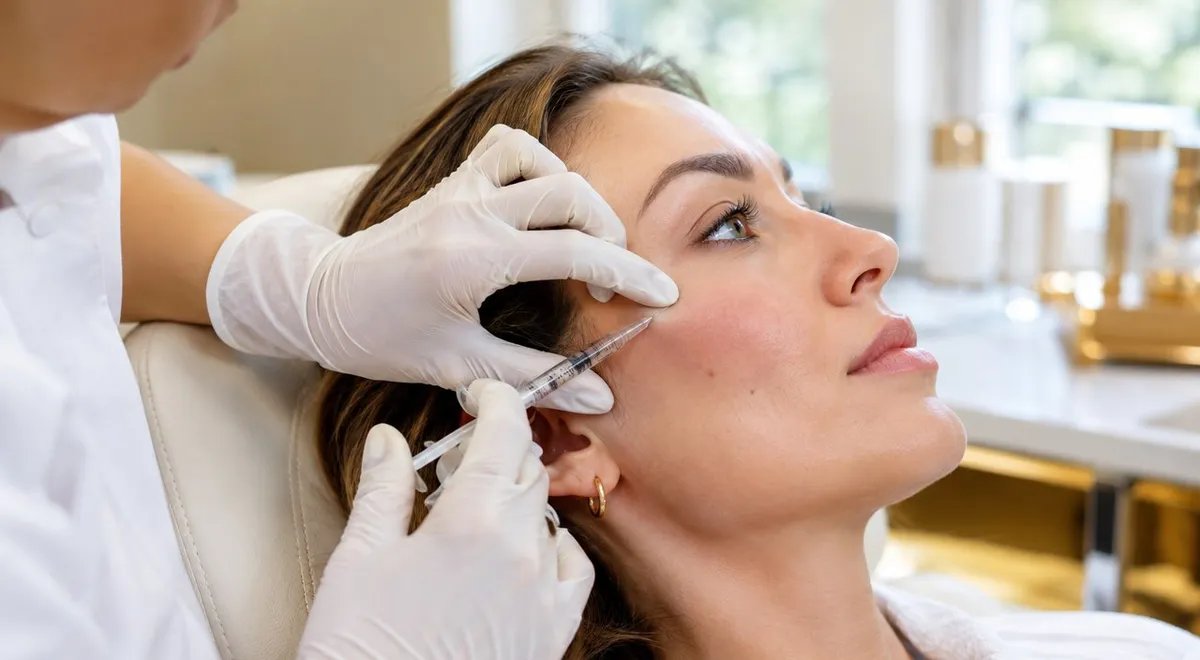
Provider injecting dermal filler into a client’s cheek during a treatment
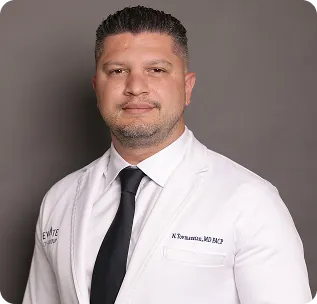
Reviewed by Dr. Narbeh Tovmassian, MD, FACPWritten by Ani Mardirosian

Dermal Fillers in Los Angeles: Which Filler Treats Which Area, Natural-Looking Results & Cost

The single most common complaint providers hear after a filler treatment gone wrong is "I didn't know there were different types." There are, and matching the right filler to the right area is what separates a natural-looking result from one that looks overdone. If you are considering dermal fillers in Los Angeles, understanding that distinction before your consultation puts you in a much better position to get the outcome you actually want.

At Elevate Aesthetics LA, dermal filler treatments are customized by area, product, and the amount of correction each patient actually needs, rather than a standard volume applied uniformly.
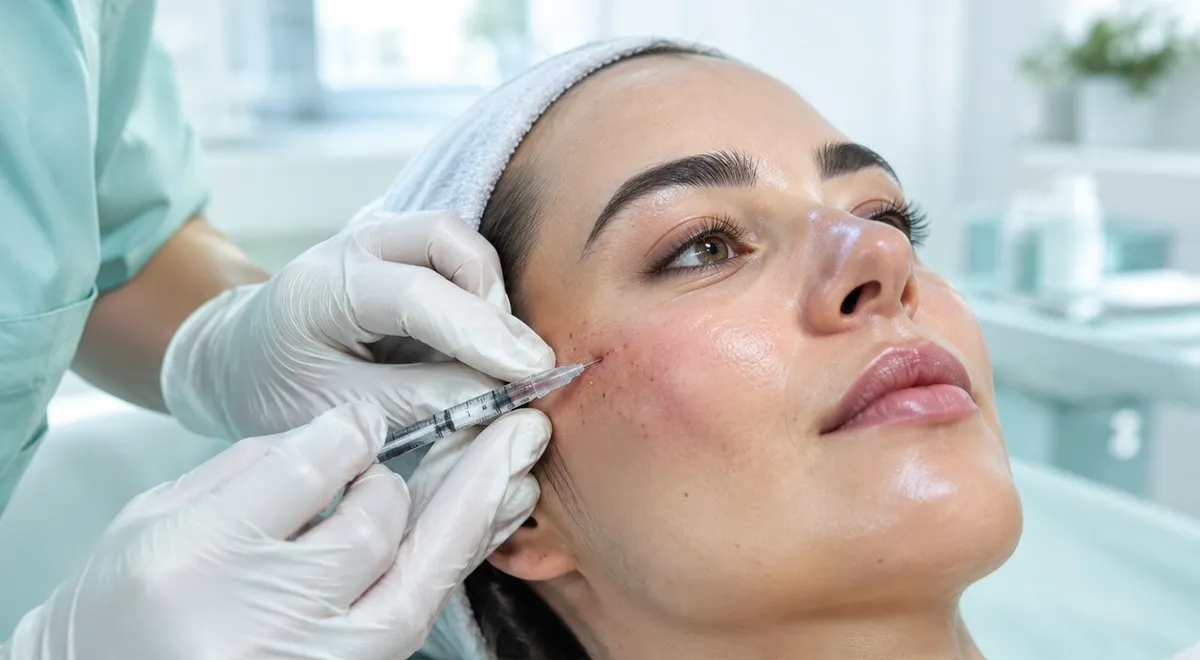
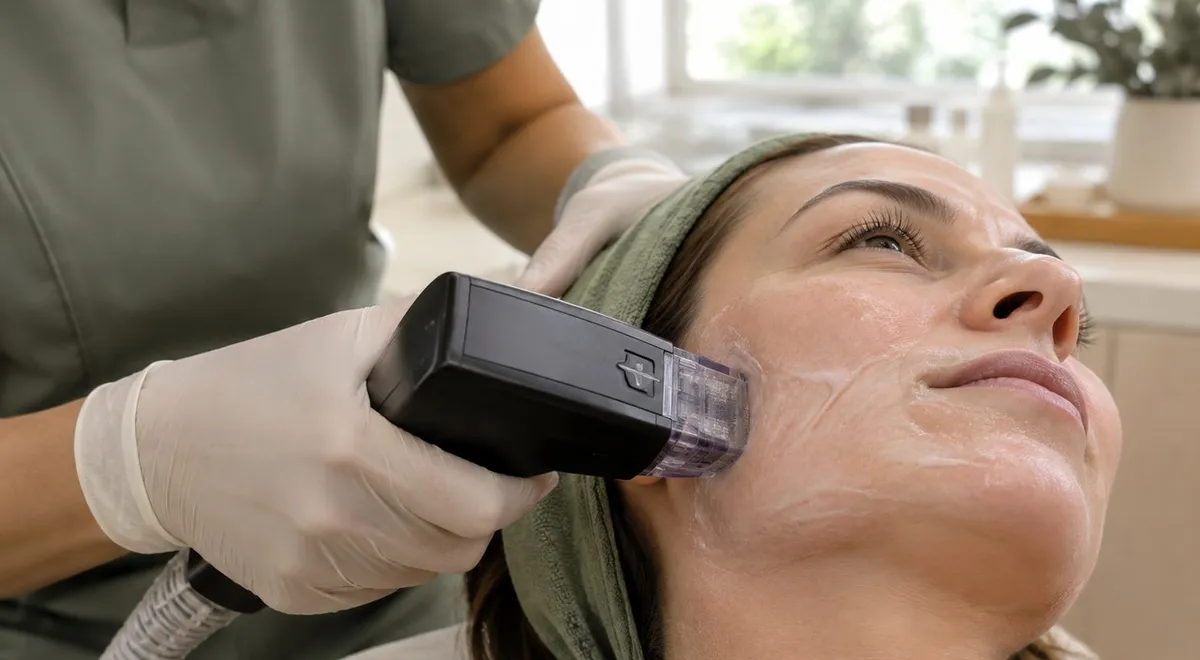
Why the Type of Filler Matters

Most dermal fillers used in clinical practice today are hyaluronic acid-based. Hyaluronic acid (HA) is a sugar molecule that occurs naturally in the skin and connective tissue, and it binds water, which is part of why HA fillers add both volume and hydration.

However, not all HA fillers are formulated the same way. Manufacturers vary the cross-linking density, the particle size, and the water content to create products with different hardness, lift capacity, and spreadability. A filler designed to restore cheekbone projection has a very different structure than one designed for fine lines around the mouth.

Manufacturers such as Allergan Aesthetics (Juvederm) and Galderma (Restylane) formulate each product in their range for specific tissue depths and indications. That product-to-area matching is the clinical logic behind using different fillers in different parts of the face, even in the same patient on the same visit.

Cheeks and Midface

The midface is one of the first areas to show volume loss with age. The fat compartments in the cheeks descend and shrink, which causes the nasolabial folds to deepen and the overall face to look flattened or hollowed.

Fillers used for cheek filler treatments need enough firmness to lift and project. Products like Juvederm Voluma and Restylane Lyft are designed for this. They are injected deep, near the bone, and their structure supports the overlying tissue rather than simply filling surface hollows.

A well-placed cheek filler should restore the curved projection that reads as youthful, not create an obviously augmented look. The goal is to put volume back where it was, not add it where it never existed.

Nasolabial Folds and Marionette Lines

Nasolabial folds (the lines from the nose to the corners of the mouth) and marionette lines (the lines that run from the corners of the mouth downward) respond well to mid-density fillers placed in the mid-dermis. Products like Juvederm Ultra Plus or Restylane-L offer enough structure to soften the fold without overfilling and creating a rounded, unnaturally full look around the mouth.

Treatment of these areas often works better in combination with cheek filler. Lifting the midface reduces the downward pull that creates the folds in the first place, so less filler is needed at the fold itself. Treating folds in isolation without addressing midface volume loss often leads to repeated touch-up appointments without addressing the underlying cause.

Under-Eye Hollows

The tear trough is one of the most technically demanding areas to fill, and under-eye filler requires extra precision. The skin under the eye is very thin, and the tissue has limited capacity to tolerate excess volume. When fillers are placed incorrectly in this area, they can cause a blue-grey tint called the Tyndall effect, where filler particles scatter light under the skin surface.

Two hyaluronic acid fillers, Juvederm Volbella XC and Restylane Eyelight, are FDA approved for under-eye hollows in adults over 21. Other soft fillers are sometimes used off-label at the injector's discretion. Whatever the product, a soft, low-volume approach carries a lower risk of the visual distortion that harder fillers can cause.

Not everyone is a candidate for under-eye filler. Patients with significant fat herniation (puffy bags) under the eyes or certain types of skin laxity may not see improvement from filler and may benefit more from other treatments.

Lips

Lip filler deserves its own section because it is one of the most visible results a patient can have. Overfilled or poorly proportioned lips are immediately noticeable.

Natural-looking lip enhancement follows the proportions of the existing lip. Soft, pliable fillers like Juvederm Volbella or Restylane Silk are designed specifically for lip tissue and give definition and subtle volume without excessive stiffness. Juvederm Ultra provides more volume and is a common choice for patients who want fuller lips rather than subtle definition.

Many injectors treat the lip body and the borders separately to maintain natural movement and avoid a distorted shape at rest. A well-done lip treatment should look intentional but not artificial when the patient is talking and moving.

Sculptra: A Different Mechanism

Sculptra is not an HA filler. It is a poly-L-lactic acid (PLLA) biostimulator that works by triggering the body's own collagen production over time. Rather than adding volume immediately, Sculptra stimulates a gradual increase in skin thickness and firmness over 3 to 6 months.

At Elevate Aesthetics LA, Sculptra treatments are used for patients who want progressive, natural-looking improvement in facial volume and skin quality rather than an immediate result. It typically requires a series of treatment sessions, often about three, and results can last up to about two years.

Sculptra is particularly well-suited for patients who have significant overall volume loss across the face and are looking for a treatment that builds gradually without looking abruptly changed.

What Natural Results Actually Look Like

The consistent feature of a good filler result is that other people cannot identify what was done. They notice that the patient looks rested, refreshed, or younger, but they cannot point to the specific change. This is the clinical benchmark most experienced injectors work toward.

Natural results come from several factors working together: the right product for the area and tissue depth, the right amount of correction, and precise placement technique. Overfilling is the most common way results become unnatural-looking. Most areas require significantly less filler than patients initially expect, particularly on a first treatment.

Results from HA fillers typically last between 6 and 18 months depending on the area, the specific product, and individual metabolism. Lips metabolize filler faster than cheeks. Areas with high movement like the mouth break down filler more quickly than more static areas like the temples.

Who Should Not Have Filler, and When to Seek Urgent Care

Filler is generally not recommended during pregnancy or breastfeeding, over an active skin infection or cold sore, or if you have a known allergy to a product ingredient. Tell your injector if you take blood thinners or supplements that increase bruising, have a bleeding disorder, or have had a previous filler reaction.

Serious complications are uncommon but possible. The most important is a blocked blood vessel (vascular occlusion). Contact your injector or seek emergency care right away if, after treatment, you notice severe or worsening pain, skin that turns pale, white, blue or dusky, or any change in vision.

Frequently Asked Questions

The filler selection happens during your consultation based on which areas you want to treat, the degree of correction needed, and the tissue characteristics of each area. You do not need to come in knowing which product you want. A qualified injector will recommend specific products for each area based on clinical guidelines and your anatomy.

Hyaluronic acid fillers can usually be dissolved with an enzyme called hyaluronidase. How quickly and completely it works depends on the product, the amount and the area, and more than one visit is sometimes needed. This is one reason HA fillers are widely preferred in clinical practice. Sculptra and other non-HA fillers cannot be dissolved, which is an important distinction to understand before choosing a product.

Filler is priced per syringe, and the amount needed depends on the area and the correction you want. Sculptra is usually priced per vial across a series of sessions. Elevate Aesthetics LA can give you an exact quote during a consultation.

Longevity varies by area and product. Cheek fillers like Juvederm Voluma can last 12 to 24 months. Lip fillers last 6 to 12 months. Under-eye filler often lasts 9 to 12 months. Sculptra results develop gradually but can last up to two years or more.

Most patients have mild bruising and swelling for 3 to 5 days after treatment, particularly in lips and under-eye areas. Cheeks typically have less swelling. Most people return to normal activities the same day, though social events are best planned at least one week after treatment to allow initial swelling to fully resolve.

When administered by a trained medical professional using FDA-approved products, dermal fillers have a strong safety record. The most common side effects are bruising, swelling, and temporary tenderness at the injection site. Serious complications such as vascular occlusion are rare but real, which is why injector training and anatomical knowledge matter. Seek immediate medical attention for severe pain, vision changes, or skin that turns pale, blue or dusky after treatment.

Wondering which filler is right for your concerns? Schedule a consultation at Elevate Aesthetics LA for a personalized treatment plan based on your anatomy and goals.

Elevate Aesthetics
509 1/2 E. Broadway, Glendale, CA 91205
4.95 stars
Opening Hours
Monday - Thursday10:00 AM - 5:00 PM
Friday10:00 AM - 4:00 PM
Saturday9:00 AM - 2:00 PM
SundayClosed
Newsletter background

Stay In The Loop

Get updates on new treatments, promotions, and clinic news.