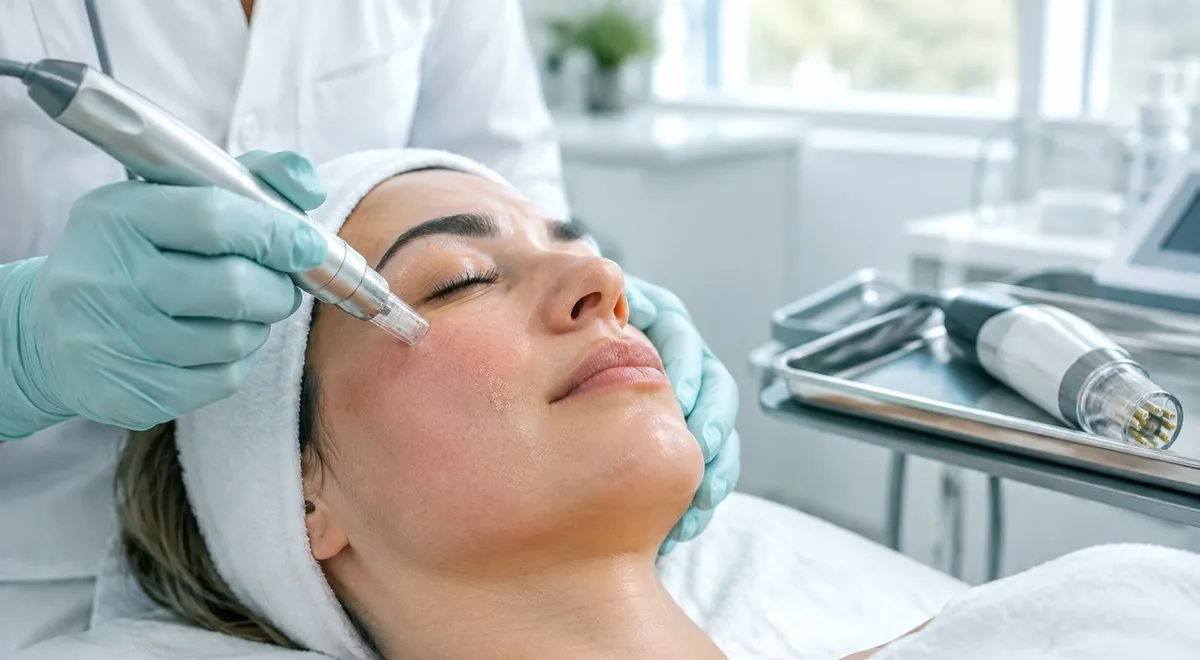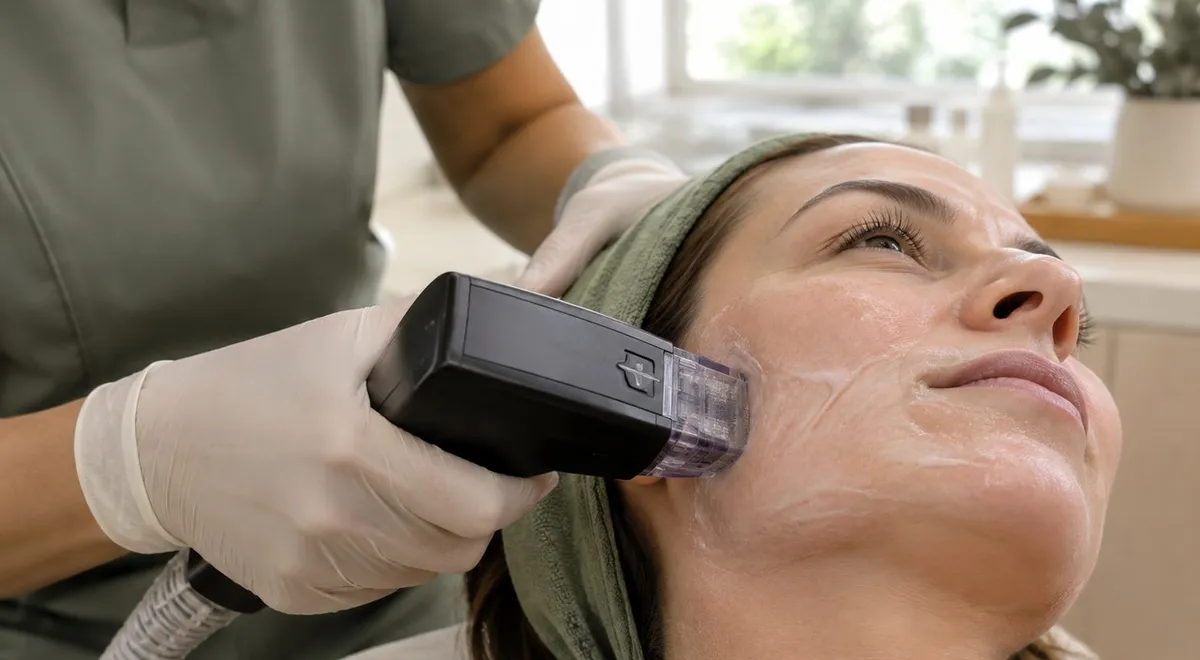
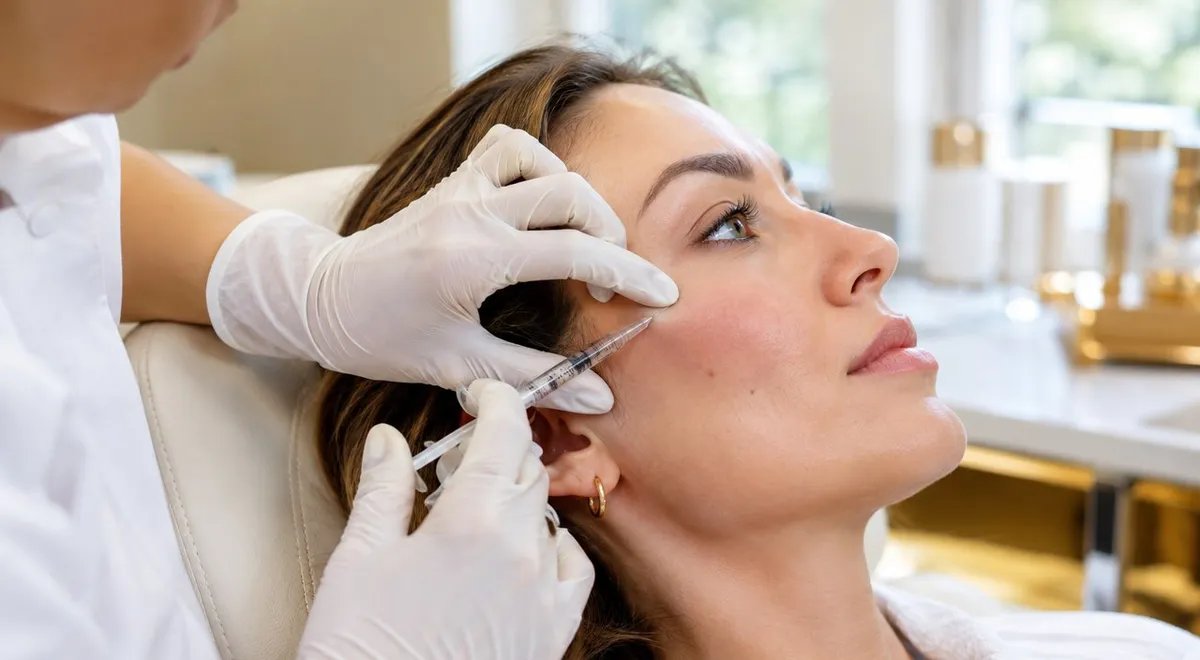
Provider using a radiofrequency microneedling handpiece along a client’s jawline
Reviewed by Dr. Narbeh Tovmassian, MD, FACPWritten by Ani Mardirosian

Morpheus8 in Los Angeles: Face vs Body Treatment, Downtime Day by Day & Sessions Needed

Morpheus8 has become one of the most requested non-surgical tightening treatments in Los Angeles, and for a straightforward reason: it addresses both skin texture and underlying laxity in one session. Most surface treatments only improve what is visible at the skin's surface. Morpheus8 reaches deeper, into the dermis and subdermis, and remodels the structure below what you can see.

At Elevate Aesthetics LA, Morpheus8 treatment is available for both face and body applications, with settings adjusted based on treatment area, depth of concern, and Fitzpatrick skin type.
What Morpheus8 Does That Other Treatments Do Not

Morpheus8 is a fractional radiofrequency microneedling device developed by InMode and cleared by the FDA for dermatologic procedures that require coagulation or contraction of soft tissue. It uses an array of ultra-fine needles that penetrate the skin at a controlled depth and deliver radiofrequency energy at the tips. The RF energy heats the tissue at a precise depth, causing controlled thermal injury that triggers collagen remodeling in the dermis and deeper tissue.

The combination of mechanical injury from the needles and thermal injury from the RF energy creates a more robust collagen response than either mechanism alone. According to the manufacturer, InMode, standard facial tips reach roughly 4mm, while deeper body settings can reach up to 8mm, which is how the device addresses soft tissue contraction in deeper layers.

This is what makes Morpheus8 different from standard microneedling: the RF energy heats deeper tissue to promote soft tissue contraction. Patients with mild to moderate jowling, loose skin on the neck, or surface laxity that does not yet warrant surgical intervention often find Morpheus8 hits a functional middle ground between topical treatments and a surgical lift.

Face Treatment: What It Targets

On the face, Morpheus8 is most commonly used for:

Lower face and jawline: Softening jowls, defining the jaw (often alongside jawline filler), and reducing the downward pull of loose skin at the mandible. This is one of the highest-impact uses of the device because mild to moderate jowling is very difficult to treat with surface-only modalities.

Neck: Addressing early horizontal lines, loose skin under the chin, and overall skin quality in an area that ages alongside the face but is often undertreated.

Midface and cheeks: Improving skin quality, reducing pore size, and adding mild tightening lift through the midface.

Forehead and brow: Reducing texture, fine lines (sometimes alongside Botox injections), and contributing to a mild brow lift effect through skin tightening.

Acne scars and texture: Because Morpheus8 includes the microneedling component, it also improves skin texture, acne scarring, and enlarged pores on top of its tightening benefits.

On the face, treatment depth is typically calibrated between 1mm and 4mm depending on the area. Thinner skin areas like the under-eye and upper lip require shallower settings than the lower face and neck.

Body Treatment: Where It Works

For the body, Morpheus8 is used on areas where there is loose skin or fat irregularity that the patient wants addressed without surgical intervention:

Abdomen: Post-pregnancy or weight loss skin laxity that has not resolved with exercise and diet. Morpheus8 can tighten loose abdominal skin and smooth the surface.

Arms: Loose skin on the inner upper arm (sometimes called bat wings) that does not respond to exercise. The device can be used at deeper settings to promote skin contraction in the area.

Inner thighs: Loose skin that appears with age or weight changes. Body treatment settings typically reach 4mm to 8mm depth on areas with thicker skin and more subcutaneous fat.

Knees: Loose skin around the kneecap that often becomes noticeable in patients over 40.

Flanks and bra line: Skin irregularity in areas where fat distribution creates texture that is difficult to treat with other non-invasive modalities.

Evidence for body applications is more limited than for the face, so expectations should be set at a consultation. Body treatments require more energy and deeper settings than facial treatments. This means they require stronger numbing, and downtime is typically more pronounced than after facial sessions. Patients focused on muscle and fat reduction rather than skin laxity may prefer Emsculpt Neo body contouring.

Downtime Day by Day

This is the detail most patients want to know before booking: what does the recovery actually look like?

Day 1 (treatment day): The skin is red, warm, and slightly swollen. The treated area looks like a moderate to severe sunburn. Some patients have pinpoint bleeding that resolves within hours. The skin feels tight and warm for the rest of the day.

Day 2: Redness begins to subside but swelling may peak, especially in facial treatments. The skin surface looks rough or textured, like sandpaper, as the micro-perforations begin to close. Patients can usually go to work if they are comfortable with some visible redness and swelling. Makeup is not typically recommended until at least 24 to 48 hours post-treatment.

Days 3 to 5: Swelling continues to resolve. The skin may feel dry and tight. Light peeling or flaking begins as the surface heals. Most patients look presentable by day 3 to 4 with makeup applied carefully.

Days 6 to 10: Most visible post-treatment changes have resolved. Some patients still have mild redness that gradually fades over the following week.

Weeks 2 to 4: The skin looks back to baseline but treatment is still actively working beneath the surface. Collagen production continues for 3 to 6 months after each session.

Body treatment downtime follows a similar pattern but often involves more swelling at the treatment site, which can last longer depending on the area. Heat, sun, and strenuous exercise should be avoided for 3 to 5 days after any Morpheus8 treatment.

How Many Sessions Are Needed

For the face, many patients notice early improvement after one session, with optimal results after a series of 2 to 3 sessions spaced 4 to 6 weeks apart. Results continue to develop for up to 6 months after the last treatment as collagen matures.

For the body, treatment typically requires 2 to 4 sessions depending on the area and the degree of laxity being addressed.

After completing a series, some patients add periodic maintenance sessions to sustain results as the skin continues to age. Your provider can suggest a schedule based on how your skin responds.

A consultation with a qualified provider helps set realistic expectations. The degree of improvement depends on baseline skin laxity, age, and treatment area. Patients with significant structural laxity may find that Morpheus8 provides good improvement but reaches a ceiling where surgical options would provide more dramatic results. Patients whose main concern is facial volume loss may also look at Sculptra collagen stimulation.

Who Should Wait or Check With a Provider First

Tell your provider before Morpheus8 if you are pregnant, have a pacemaker or other implanted electronic device, have metal implants in the treatment area, have an active skin infection or inflammatory skin condition, tend to form keloid scars, or have used isotretinoin recently. Higher-energy settings may not be suitable for darker skin tones, so your provider will confirm what is appropriate for you.

Frequently Asked Questions

Most patients need 2 to 3 sessions for facial concerns, spaced 4 to 6 weeks apart. Body treatments typically require 2 to 4 sessions depending on the area and degree of laxity. Collagen production continues for up to 6 months after the last session, so results develop gradually over time rather than immediately after treatment.

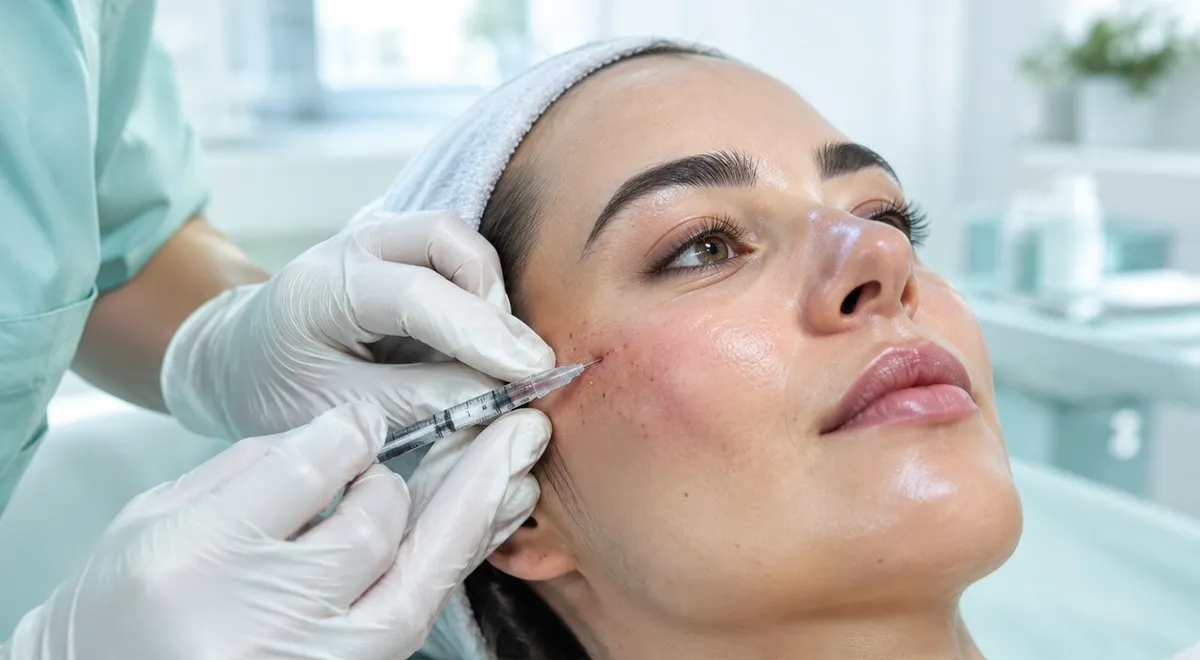
Topical numbing cream is applied before every session and significantly reduces discomfort. Most patients describe the sensation as pressure and heat during treatment rather than pain. Bony areas like the jawline and forehead can be more sensitive. A local anesthetic injection is sometimes offered for patients who want maximum comfort during deeper settings.

Most patients experience redness and swelling for 2 to 5 days. Skin may feel rough or tight as the surface heals over the first 3 to 5 days. Most patients return to normal activities within 2 to 3 days and can use makeup after 48 hours. Full results are not visible until 3 to 6 months after the last session as collagen remodeling completes.

Morpheus8 can be used on darker Fitzpatrick skin types, but treatment settings must be carefully calibrated. The RF energy component carries a risk of post-inflammatory hyperpigmentation if settings are too aggressive on higher Fitzpatrick types. Higher-energy settings may also be restricted for darker skin tones, so your provider will confirm what is appropriate for you. A provider experienced with diverse skin tones will adjust depth, energy, and needle configuration accordingly. Mechanical microneedling only (SkinPen) may be recommended as an alternative for patients with significant hyperpigmentation risk.

Results vary with age, skin condition and sun protection, and the skin keeps aging after treatment. Many providers recommend periodic maintenance sessions, and your provider can suggest a schedule based on how your skin responds.

Morpheus8 pricing depends on the treatment area and number of sessions, and package pricing for a series is available. Elevate lists current Morpheus8 rates on its pricing page, and body areas can be quoted at a consultation.

Want to know if Morpheus8 is the right treatment for your skin concerns? Book a consultation at Elevate Aesthetics LA and get a tailored plan for face or body treatment.

Elevate Aesthetics
509 1/2 E. Broadway, Glendale, CA 91205
4.95 stars
Opening Hours
Monday - Thursday10:00 AM - 5:00 PM
Friday10:00 AM - 4:00 PM
Saturday9:00 AM - 2:00 PM
SundayClosed
Newsletter background

Stay In The Loop

Get updates on new treatments, promotions, and clinic news.