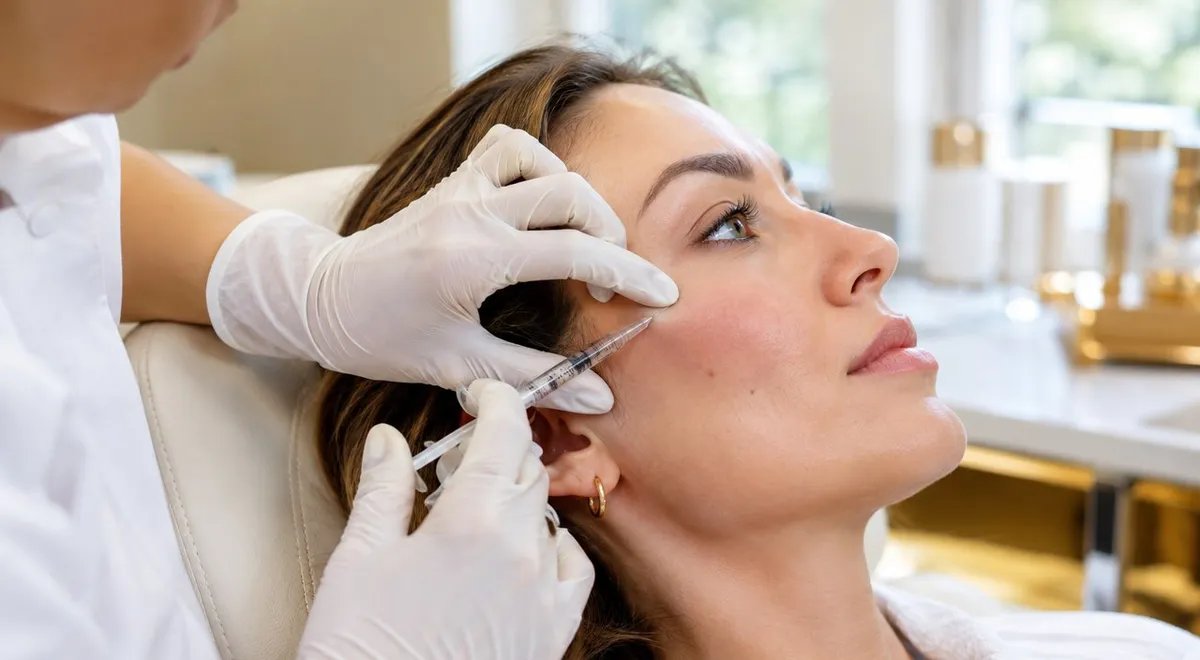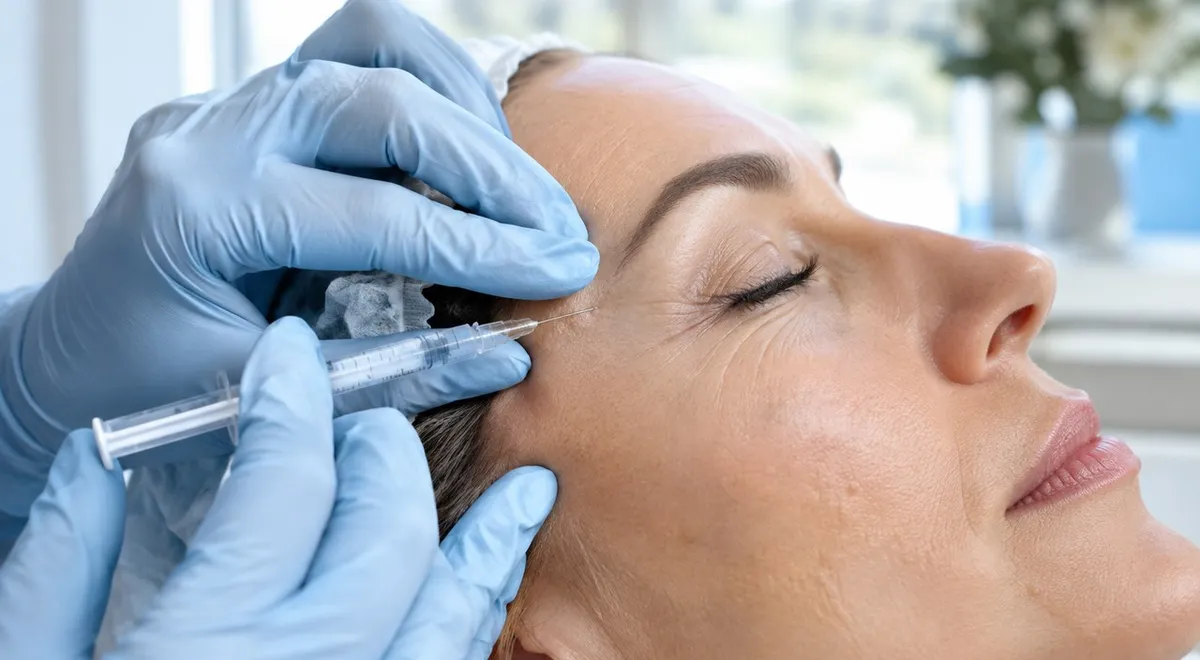
Provider injecting a neuromodulator near the outer corner of a client’s eye to treat crow’s feet
Reviewed by Dr. Narbeh Tovmassian, MD, FACPWritten by Ani Mardirosian


Crow's Feet Treatment in Los Angeles: Botox vs Dysport vs Filler, Units Needed & Longevity

Crow's feet respond best to a neuromodulator, not filler. Botox Cosmetic carries an FDA-labeled dose for lateral canthal lines of 24 units, Xeomin gained the same indication in 2024, Dysport is used off-label for this area, and filler is generally not the right tool. Results build gradually, so judge them at about two weeks rather than in the first few days, and expect to repeat treatment as the effect fades over several months.

At Elevate Aesthetics LA, Botox injections are planned around how your face moves, not a fixed number of units. This guide explains what the FDA labels say about dose and results, how the three main options compare, how long crow's feet treatment lasts, and who should check with a clinician before booking.
What Actually Causes Crow's Feet

Crow's feet, which clinicians call lateral canthal lines, come from two overlapping causes. The first is muscle movement: the orbicularis oculi muscle circles the eye and pulls the skin inward every time you smile or squint. The second is skin change, because sun exposure, smoking and natural collagen loss thin the skin so that lines which only appear with expression begin to stay visible at rest.

That difference decides the treatment. Lines that show up only when you smile are called dynamic lines, and they are what neuromodulators are designed to soften. Lines that remain when your face is relaxed are called static lines, and they have a skin-quality component that a muscle relaxer alone will only partly improve.

A simple self-check helps. Look in a mirror with a completely relaxed face. If the lines mostly disappear, relaxing the muscle is likely to do most of the work. If they stay etched, plan on a combined approach, which we cover below.

Botox for Crow's Feet: Units, Injection Pattern and What the Label Shows

Botox Cosmetic is FDA approved for moderate to severe lateral canthal lines. According to the Botox Cosmetic prescribing information, the labeled dose is 24 units in total, split as 12 units per side and divided across three injection sites on each side. When crow's feet are treated together with frown lines, the label adds 20 units for the glabellar area, which brings the combined total to 44 units for those two areas.

Elevate's own Botox page describes a typical session as roughly 20 to 60 units depending on the areas treated, which fits this picture. A trained injector may adjust the placement and amount for your muscle strength and the way your eyes crinkle, so the label dose is a reference point rather than a promise of what you will receive.

The label also shows what to expect from results, and the numbers are worth reading carefully:

  • In one trial, 67% of treated patients were rated none or mild for lateral canthal lines at maximum smile on day 30, compared with 6.5% on placebo.
  • By day 90 that figure was 38%, and by day 120 it was 23%.
  • A second trial used a stricter measure, a two-grade improvement on a composite of investigator and patient ratings, and about 20% of patients met it at day 30 with 24 units.

The gap between those two trials shows how much the result depends on how success is defined. It also shows that the effect fades noticeably across the three to four months after treatment, which is why maintenance matters.

Botox vs Dysport vs Xeomin for Crow's Feet

Botox, Dysport and Xeomin are all botulinum toxin products that relax the muscles behind dynamic lines. The meaningful differences for crow's feet are in their labeling, not in a proven winner.

  • Botox Cosmetic: FDA labeled for lateral canthal lines, with a labeled dose of 24 units.
  • Xeomin: In 2024 the FDA expanded the Xeomin prescribing information to include lateral canthal lines alongside forehead and frown lines, and its trials used 24 units for the crow's feet area.
  • Dysport: The cosmetic indication in the Dysport prescribing information is glabellar (frown) lines, so using it on crow's feet is off-label.

Off-label use is legal and common in aesthetic medicine, but it means there is no FDA-labeled dose for the area, and your injector relies on training and experience. Patients who prefer Dysport injections for their frown lines sometimes carry that choice over to the eyes, and a good provider will explain that trade-off plainly.

One more point protects you when comparing quotes. The Dysport label states that its potency units are not interchangeable with other botulinum toxin products. A number of Dysport units is therefore not comparable to a number of Botox units, and a higher unit count does not mean more product or better value. Ask which products your clinic stocks, and compare plans by area and outcome rather than by units alone.

Is Filler a Good Option for Crow's Feet?

For most patients, no. Crow's feet are largely caused by muscle movement, and filler adds volume rather than relaxing a muscle. The skin around the outer eye is also thin, so this is a delicate place to inject.

To our knowledge, hyaluronic acid fillers are not FDA labeled for lateral canthal lines, so filler placed there would be off-label, and many injectors avoid it. Where dermal fillers do help is in the surrounding structure. Loss of volume in the temple or cheek can change how the eye area looks, and restoring that support is a different goal from smoothing smile lines.

Filler near the eye carries one risk every patient should know about. If filler enters or blocks a blood vessel, it can threaten the skin and, in rare cases, vision. Sudden pain, skin that turns white or dusky, or any change in vision after an injection requires emergency medical care immediately, not a call to the clinic tomorrow.

How Long Crow's Feet Results Last

The label data above show the effect declining through days 90 and 120, so most patients plan to repeat treatment roughly every three to four months. Some people find results hold a little longer, and some need touch-ups sooner, because muscle strength, metabolism and expression habits all differ.

You may find over time that you can stretch visits slightly further apart, but that varies by person and is not guaranteed. A reasonable approach is to track when you first see lines returning at maximum smile and book your next visit around that point.

Daily sunscreen and avoiding tanning protect the skin around the eyes and support whatever treatment you choose, since photoaging is one of the main reasons lines become static.

Treating Etched-In Lines: What Pairs With a Neuromodulator

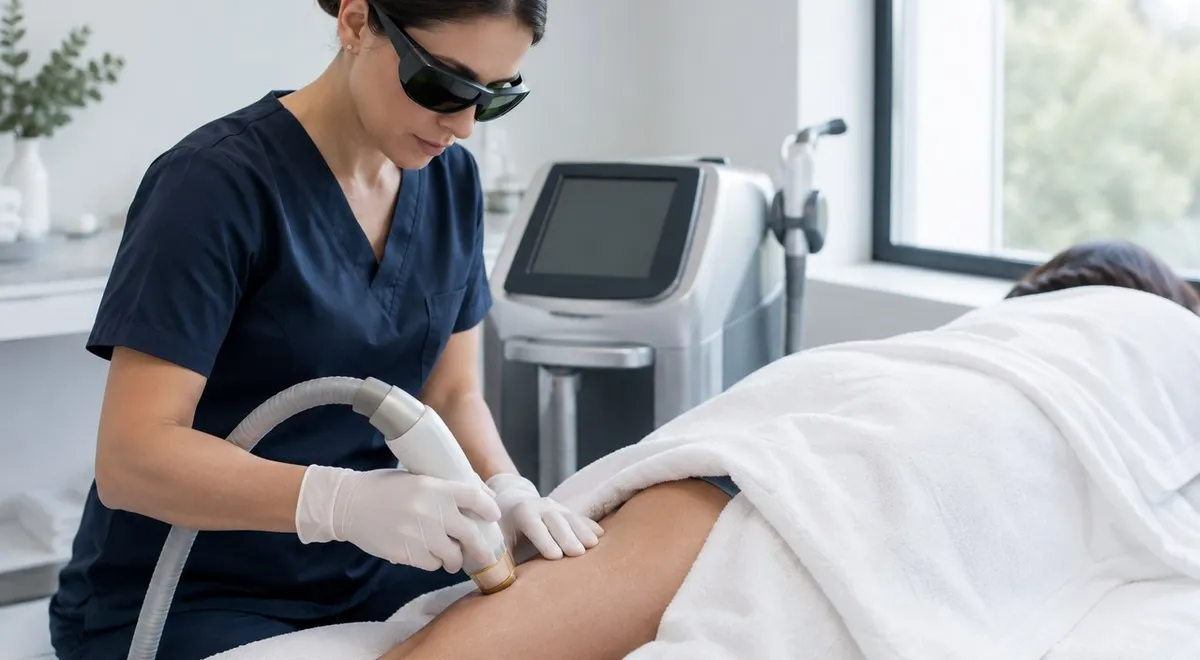
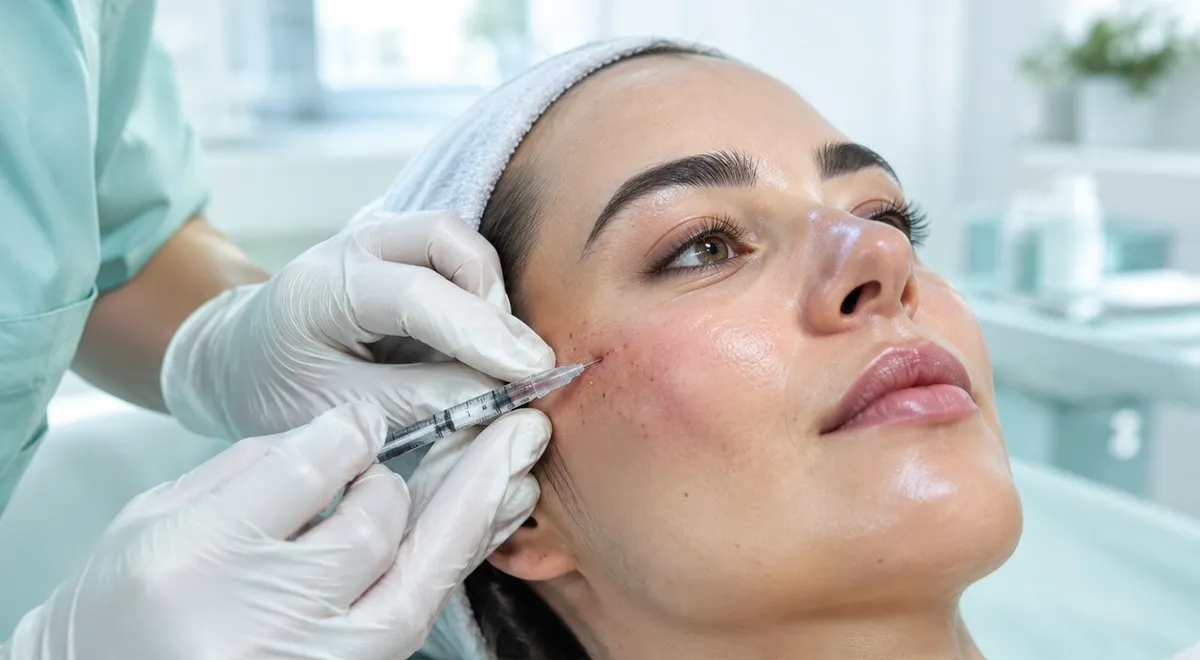
If your lines remain visible with a relaxed face, a muscle relaxer alone may leave some of them behind. Skin-focused treatments aim at texture and collagen instead of muscle activity. Microneedling treatments create controlled micro-injuries that prompt the skin to remodel, and Morpheus8 radiofrequency microneedling adds radiofrequency energy to the same approach.

These treatments are usually done as a series, and improvement is gradual. Because the eye area is sensitive, whether a device is appropriate around the eyes, and which settings are safe, is a decision your provider should make at the consultation. Results vary, and a treatment plan can combine a neuromodulator for the movement with a skin treatment for the texture.

Who Should Wait or Check First

Talk to a clinician before treatment if any of the following apply, and bring a full list of your medications:

  • Pregnancy or breastfeeding: The Botox label notes there are no adequate data on use in pregnant women, so many providers defer treatment.
  • Neuromuscular conditions: Conditions such as myasthenia gravis or Lambert-Eaton syndrome raise the chance of unwanted weakness, and the label advises caution.
  • Allergy or infection: Known sensitivity to an ingredient, or an infection at the injection site, is a reason not to treat.
  • Certain medications: The label notes that some drugs affecting neuromuscular transmission, including aminoglycoside antibiotics, can increase the effect of the toxin.
  • Filler near the eyes: Seek emergency care right away for vision changes, severe pain or blanching skin after any filler injection.

Botulinum toxin products carry a boxed warning about distant spread of toxin effect. Swallowing or breathing difficulty, widespread weakness or vision problems after treatment, appearing hours to weeks later, need urgent medical attention. Common local effects include bruising, injection-site discomfort and temporary eyelid swelling.

What to Expect at Your Visit and What It Costs

A consultation usually starts with a look at your face both relaxed and mid-smile, a review of your health history and goals, and a plan for which areas to treat. The injections themselves take only a few minutes, and your clinic's aftercare instructions come first. A common recommendation is to avoid rubbing the treated area for the rest of the day.

Pricing depends on the product, the areas treated and the dose your provider recommends. See the Elevate pricing page for what is listed online, or contact the clinic for a current quote for your plan.

Frequently Asked Questions

The FDA-labeled dose for lateral canthal lines is 24 units, with 12 units per side across three injection sites on each side. Your injector may adjust the amount based on muscle strength and your goals. The dose is chosen at your consultation, so treat the label figure as a reference rather than a prescription.

There is no label-based answer, because Dysport is FDA labeled for frown lines rather than crow's feet, which makes its use here off-label. Units are not interchangeable between brands. The better question is which product and injector fit your anatomy, and the consultation is where that gets decided.

Botox label data show the effect declining across days 90 and 120, and most patients plan to repeat treatment about every three to four months. Individual results vary with muscle strength and expression habits. Tracking when lines first return at maximum smile helps you time the next visit.

Usually not. Crow's feet are mainly caused by muscle movement, and filler adds volume rather than relaxing the muscle. Filler is also not labeled for this area to our knowledge, and injecting near the eye carries a risk of blocked blood vessels. Neuromodulators and skin treatments are the more common choices.

Yes, and the Botox label includes a combined dose of 24 units for crow's feet plus 20 units for frown lines. Whether this suits you depends on your muscle pattern and goals. Your provider will review the areas and set the total at your consultation.

Cost depends on the product, the dose and the areas treated. Elevate does not publish a fixed crow's feet price in this guide, so check the pricing page or contact the clinic for a current quote based on your treatment plan.

Ready to soften your crow's feet with a plan built around your face? Book a crow's feet consultation at Elevate Aesthetics LA to review your options with a licensed provider.

Elevate Aesthetics
509 1/2 E. Broadway, Glendale, CA 91205
4.95 stars
Opening Hours
Monday - Thursday10:00 AM - 5:00 PM
Friday10:00 AM - 4:00 PM
Saturday9:00 AM - 2:00 PM
SundayClosed
Newsletter background

Stay In The Loop

Get updates on new treatments, promotions, and clinic news.