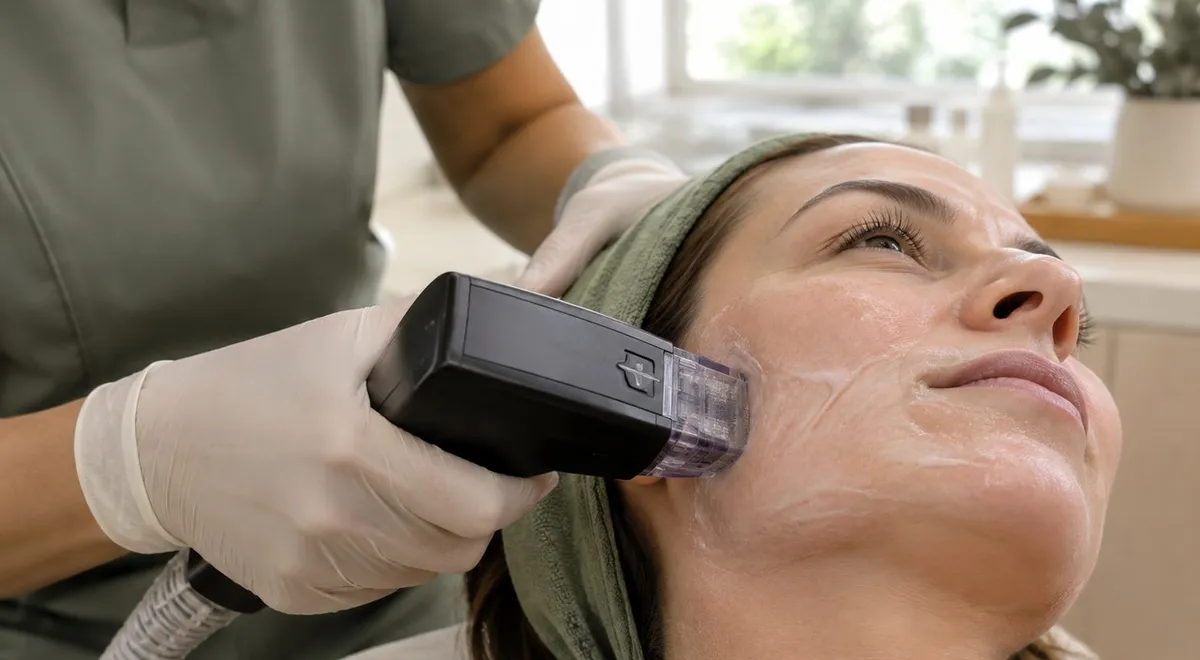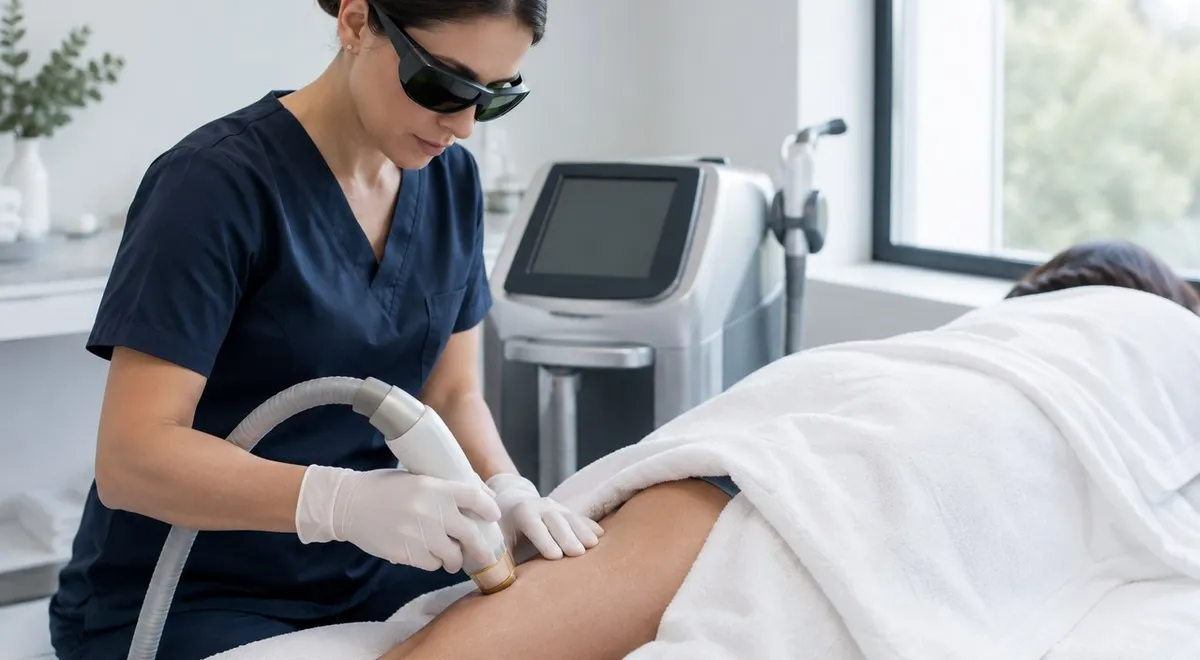
Technician using a laser handpiece on a draped client during a laser hair removal session
Reviewed by Dr. Narbeh Tovmassian, MD, FACPWritten by Ani Mardirosian

Buttocks Laser Hair Removal: Pain Level, Privacy, Sessions Needed & Realistic Results

Buttocks laser hair removal is one of the most frequently asked-about treatments that people are least likely to search for until they are genuinely ready to make an appointment. Most people have questions but are not sure where to ask them. This article answers the most practical ones: what to expect in terms of pain, how many sessions the area actually needs, what the results realistically look like, and how discreet the process is at a professional clinic.

If you've been looking for laser hair removal for this area, Elevate Aesthetics LA in Glendale offers buttocks and bikini treatments in a private, clinical setting. Sessions are performed by experienced providers, and the process is straightforward once you know what to expect.
What Makes the Buttocks Different From Other Areas

The buttocks is a larger surface area than most patients realize when thinking about laser treatment. It includes the entire posterior from the lower back crease to the upper thigh fold, as well as the intergluteal cleft (the crease between the cheeks) for patients who want comprehensive coverage.

Hair in this area is often coarser and darker than leg hair, which can work in favor of the laser. Coarser, darker hair with high contrast against lighter skin generally responds most predictably to laser treatment, because the laser's light is selectively absorbed by melanin in the hair shaft.

Patients with darker skin tones can often still be treated using the Nd:YAG lasers described on our laser technology page, which use a longer wavelength that is absorbed less by surface pigment, helping to target the follicle at depth with a lower risk of burns or hyperpigmentation.

Pain Level: What to Expect

The buttocks area is generally one of the more comfortable areas to treat compared to bony areas like the shinbone or jawline. The tissue is predominantly soft and fleshy, which cushions sensation.

Most patients describe the feeling as a rubber band snap or mild stinging at each laser pulse. The gluteal crease area can feel more sensitive because the skin is thinner and the nerve density is higher. Sessions in this area typically take 15 to 30 minutes for full coverage depending on the surface area being treated.

A cooling system integrated into most laser handpieces reduces discomfort significantly during the session. Topical numbing cream can be applied 30 to 45 minutes before the appointment for patients who are particularly sensitive, though most find they do not need it for the buttocks itself.

How Many Sessions Does This Area Need

The buttocks typically responds within a standard laser hair removal protocol of 6 to 8 sessions spaced 4 to 6 weeks apart. Multiple sessions are needed because hair follicles cycle through growth phases independently.

However, the gluteal crease and upper inner thigh can be influenced by hormonal activity, which means some patients see new hair growth in those specific areas even after completing a standard series. For patients experiencing hormonal changes (due to pregnancy, menopause, or polycystic ovarian syndrome), touch-up sessions may be needed more frequently than once a year.

Here is a typical session-by-session progression for the buttocks:

Sessions 1 to 3: Initial reduction begins. Treated hairs shed within 1 to 3 weeks, then regrowth returns, though often finer and slower. Many patients notice they can go longer between shaving.

Sessions 4 to 6: Significant reduction is visible. Most patients are spending considerably less time on hair removal between sessions and finding that regrowth is sparse and fine.

Sessions 7 and 8: Finishing sessions address remaining active follicles, particularly in areas with coarser or variable growth cycles.

Realistic Results: What Changes and What Doesn't

Laser hair removal produces long-term hair reduction, not permanent elimination. The FDA allows devices to claim permanent hair reduction, defined as a long-term, stable reduction in the number of hairs regrowing, measured at 6, 9 and 12 months after the final treatment. It does not mean every hair is removed. Many patients find that remaining hair is finer and lighter than before treatment, although results vary.

For the buttocks specifically, most patients reach a point where they no longer need to shave the area between sessions and are comfortable wearing swimwear without any pre-event preparation. Some patients add occasional maintenance sessions to address hormonal regrowth. Our buttocks laser hair removal page covers treatment options and booking, and many patients combine it with Brazilian or bikini line treatment.

A small percentage of patients have hair that is too light (blonde, red, grey, or white) to be effectively targeted by the laser, since the laser needs pigment in the hair shaft to absorb the energy. Patients with very light hair in this area should discuss expected outcomes in detail during their consultation.

Privacy and the Clinical Environment

Patients often have questions about what the appointment experience is like. At a professional medical aesthetic clinic, buttocks laser hair removal is a routine procedure performed in a private treatment room. You will be asked to disrobe from the waist down and lie on a treatment table, similar to a massage or waxing appointment. Draping keeps unexposed areas covered.

Providers performing this treatment are clinical professionals who treat this area regularly. For most patients, any initial awkwardness resolves quickly once the session starts. The treatment is brisk, efficient, and typically takes under 30 minutes for full coverage.

Appointments at Elevate Aesthetics LA can be scheduled discreetly online. If you have specific privacy preferences for your appointment, you can note them when booking or call ahead to discuss.

Pre- and Post-Care for the Buttocks Area

Our laser hair removal pre and post care guide applies to this area too. Before each session: Shave the entire treatment area 24 hours before your appointment. Do not use any exfoliating products on the area for 3 to 5 days before treatment. Avoid tanning and self-tanner for two weeks before each session.

After each session: The treated skin will be red and warm for 24 to 48 hours, similar to mild sunburn. Wear loose-fitting clothing to avoid friction on the area. Avoid hot baths, saunas, and vigorous exercise for 24 to 48 hours after treatment. Apply a gentle fragrance-free moisturizer to the area if it feels dry or tight.

If you want to treat more than one area, ask about packages. Current rates are listed on our pricing page, and package pricing can reduce the overall cost of a full series compared with per-session rates.

Who Should Wait or Check With a Provider First

Tell your provider before treatment if you are pregnant, have an active skin infection, open wound or irritation in the treatment area, have a recent tan or self-tanner, take medication that makes skin sensitive to light (including isotretinoin), or have a history of keloid scarring or pigment changes. Your provider will decide whether to proceed, wait or adjust settings.

Frequently Asked Questions

Most patients complete their full series in 6 to 8 sessions spaced 4 to 6 weeks apart. The gluteal crease may need additional sessions if hair in that area is influenced by hormonal activity. A consultation helps estimate the total number of sessions based on your hair density and skin type.

The buttocks area is generally comfortable relative to bony areas. Most patients describe the sensation as a rubber band snap or mild stinging. The gluteal crease can be more sensitive. Integrated cooling on the laser handpiece reduces discomfort significantly, and topical numbing cream is available if desired.

Yes. A full session typically covers the entire posterior surface including the gluteal crease. Treatment time is approximately 15 to 30 minutes per session depending on coverage area. Multiple areas like buttocks and bikini line can often be combined in a single appointment.

Coarser, darker hair on lighter skin responds best. Darker skin tones are commonly treated with Nd:YAG lasers, which are generally well suited to higher Fitzpatrick types when settings are chosen carefully. Very light hair (blonde, red, white, or grey) lacks sufficient pigment for the laser to target effectively, and patients with light hair should discuss realistic expectations during a consultation.

Treatments are performed in a private room by a clinical professional. Draping keeps unexposed areas covered throughout the session. The appointment process is comparable to a waxing or medical appointment, and providers treat this area regularly as a standard part of their practice.

Pricing varies by provider and whether the treatment is purchased as a single session or a package. Packages for a full series typically offer per-session savings compared to single-visit pricing. Contact Elevate Aesthetics LA for current rates.

Ready for long-term hair reduction? Book a consultation at Elevate Aesthetics LA to get started with a full treatment plan for the buttocks and any other areas you want covered.

Elevate Aesthetics
509 1/2 E. Broadway, Glendale, CA 91205
4.95 stars
Opening Hours
Monday - Thursday10:00 AM - 5:00 PM
Friday10:00 AM - 4:00 PM
Saturday9:00 AM - 2:00 PM
SundayClosed
Newsletter background

Stay In The Loop

Get updates on new treatments, promotions, and clinic news.