
Chemical Peels in Glendale, CA: Types, Cost, and What to Expect

Chemical Peels in Glendale, CA: Types, Cost, and What to Expect

If your skin looks dull, uneven, or marked by old breakouts and years of sun exposure, a chemical peel is one of the most dependable ways to reset it. By removing the damaged outer layers, a peel reveals the smoother, brighter, more even-toned skin underneath, and it prompts your skin to build fresh collagen as it heals. The result is skin that looks healthier, not just temporarily polished.

At Elevate Aesthetics in Glendale, CA, every chemical peel is selected and performed under medical supervision, so the strength of the peel truly matches your skin type and goals rather than a generic menu choice. This guide walks through how chemical peels work, what they treat, the different depths available, who is a good candidate, how to prepare, real pricing, and exactly what recovery looks like day by day.
What Is a Chemical Peel?

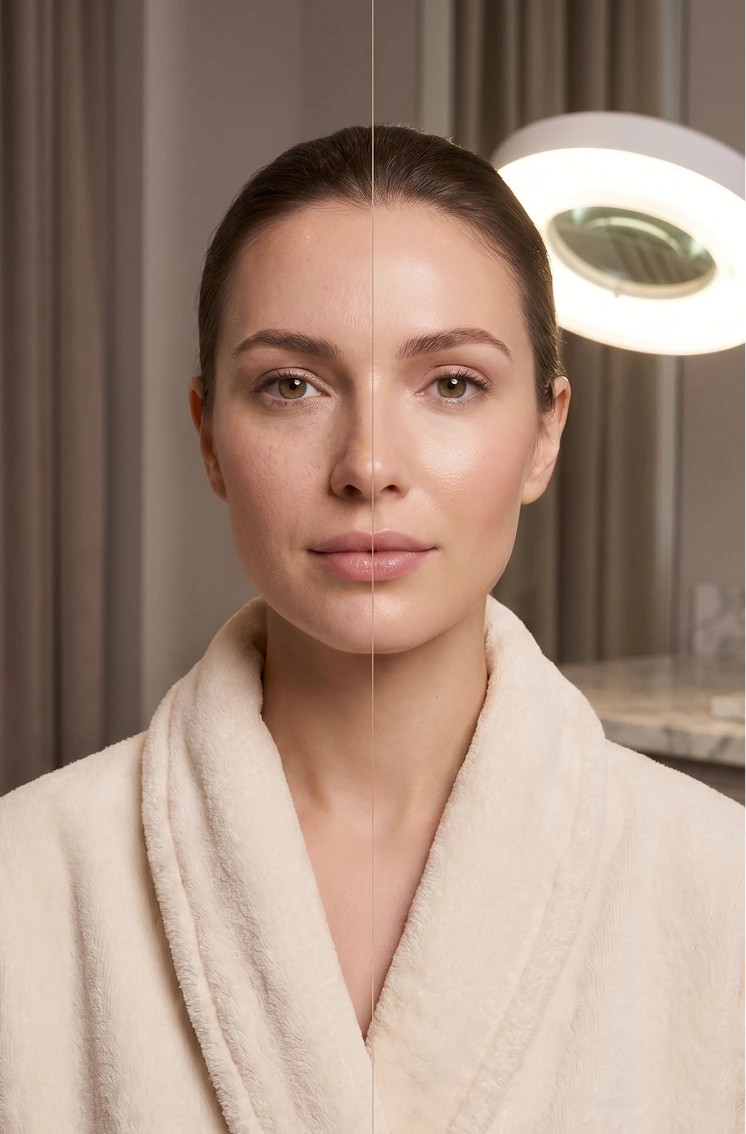
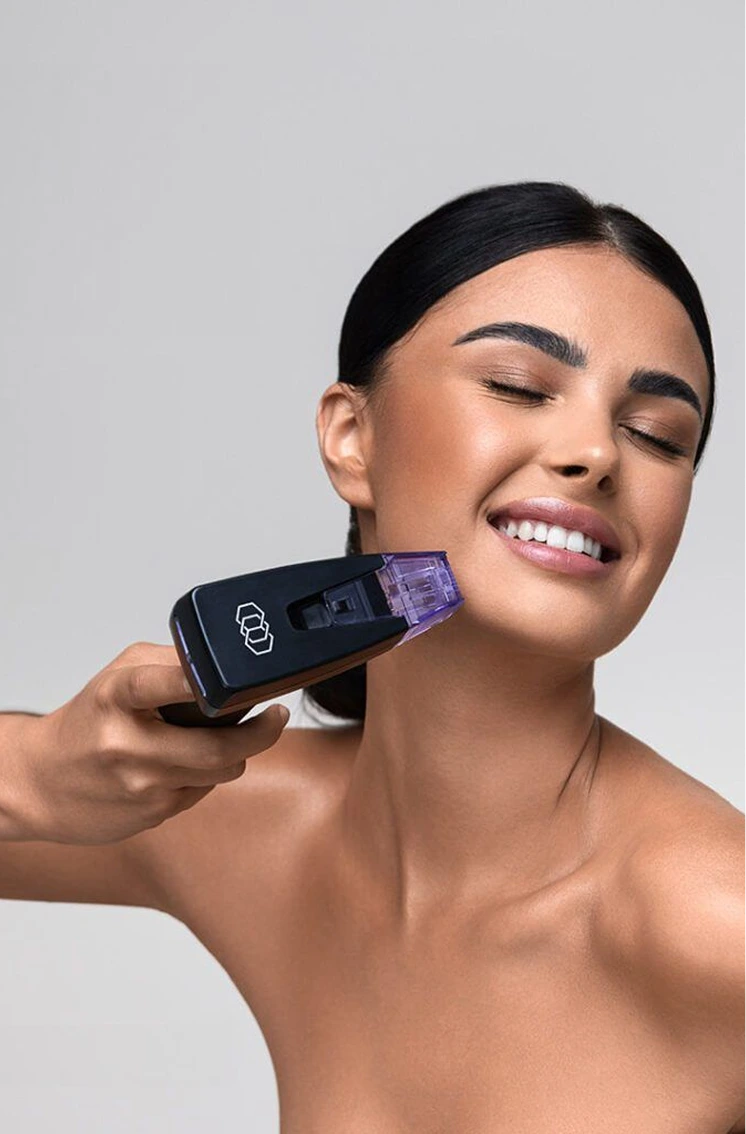
A chemical peel is a professional skin-resurfacing treatment that applies a controlled solution to the skin to exfoliate dead and damaged cells. Over the next several days, those outer layers shed and your body replaces them with newer skin that is smoother in texture and more even in tone. Because the process speeds up your natural cell turnover, it also helps fade discoloration that topical products alone struggle to reach.

Peels rely on well-studied acids such as glycolic acid, salicylic acid, lactic acid, and TCA (trichloroacetic acid). The acid type and its concentration decide how deeply the peel works. A lighter peel refreshes the surface with little downtime, while a deeper peel reaches further to address more stubborn concerns. Choosing the wrong strength for your skin can do more harm than good, which is why a free consultation and skin assessment always comes first at Elevate Aesthetics.

What Chemical Peels Treat

Chemical peels are versatile, which is part of why so many people search for a chemical peel near me. Depending on the formula and depth, a peel can improve:

  • Acne and frequent breakouts, especially with salicylic acid peels that clear and decongest pores
  • Acne scars, post-acne marks, and uneven texture from past breakouts
  • Hyperpigmentation, melasma, sun spots, and stubborn dark patches
  • Sun damage and the early signs of aging
  • Fine lines and rough, dull, or congested skin
  • Enlarged-looking pores and an overall lack of glow

A single peel delivers a visible refresh, but lasting change for concerns like pigmentation or scarring usually comes from a planned series, sometimes combined with other skin and body treatments. Your provider will tell you honestly what one session can do and what will take a few.

Types of Chemical Peels: Light, Medium, and Deep

Chemical peels are grouped by how deeply they work. The right depth depends on your concern, your skin type, and how much downtime you can take.

Light (Superficial) Peels

Light peels use mild acids like glycolic or lactic acid to exfoliate the outermost layer of skin. They are ideal for a quick glow, mild discoloration, congested pores, and dull skin, with little to no downtime. Many patients book light peels as a regular series to keep their skin bright and smooth all year.

Medium-Depth Peels

Medium peels reach deeper to treat more noticeable discoloration, sun damage, fine lines, and acne scarring. At Elevate Aesthetics, our signature medium-depth option is the Perfect Peel Dermapeel, a physician-supervised peel well suited to pigment concerns and uneven tone. Expect a few days of visible peeling as the skin renews, followed by a clear, refreshed result.

Deep Peels

Deep peels produce the most dramatic resurfacing for significant sun damage, deeper lines, and stubborn scarring. They require more recovery time and careful aftercare, so they are reserved for the right candidates after a thorough skin evaluation. If a deep peel is not the safest fit for your skin, your provider will recommend a gentler plan or a series that reaches the same goal more comfortably.

Who Is a Good Candidate for a Chemical Peel?

Most people who want smoother texture, a brighter complexion, fewer breakouts, or faded discoloration are good candidates for some level of chemical peel. The key is matching the formula to your skin. Melanin-rich skin, for example, can absolutely benefit from peels, but the depth and acid must be chosen carefully to avoid unwanted pigmentation.

A peel may need to be postponed if you are pregnant or nursing, have an active cold sore or skin infection, or have recently used strong retinoids or had other resurfacing treatments. This is exactly what the consultation screens for, so you get an effective result without unnecessary risk.

How to Prepare for Your Chemical Peel

A little preparation helps your peel work evenly and lowers the chance of irritation. In the week or two beforehand, most patients are advised to:

  • Pause retinoids, strong exfoliating acids, and harsh scrubs unless your provider says otherwise
  • Avoid waxing, threading, and other resurfacing treatments on the area
  • Stay out of direct sun and wear daily broad-spectrum SPF
  • Tell your provider about any cold sore history so they can prescribe preventive medication if needed
  • Arrive with clean, product-free skin on the day of treatment

What to Expect During Your Chemical Peel

1. Consultation: Your provider reviews your skin, history, and goals, then recommends the peel type and strength that fits you.

2. Cleanse and prep: The skin is thoroughly cleansed and degreased so the solution absorbs evenly.

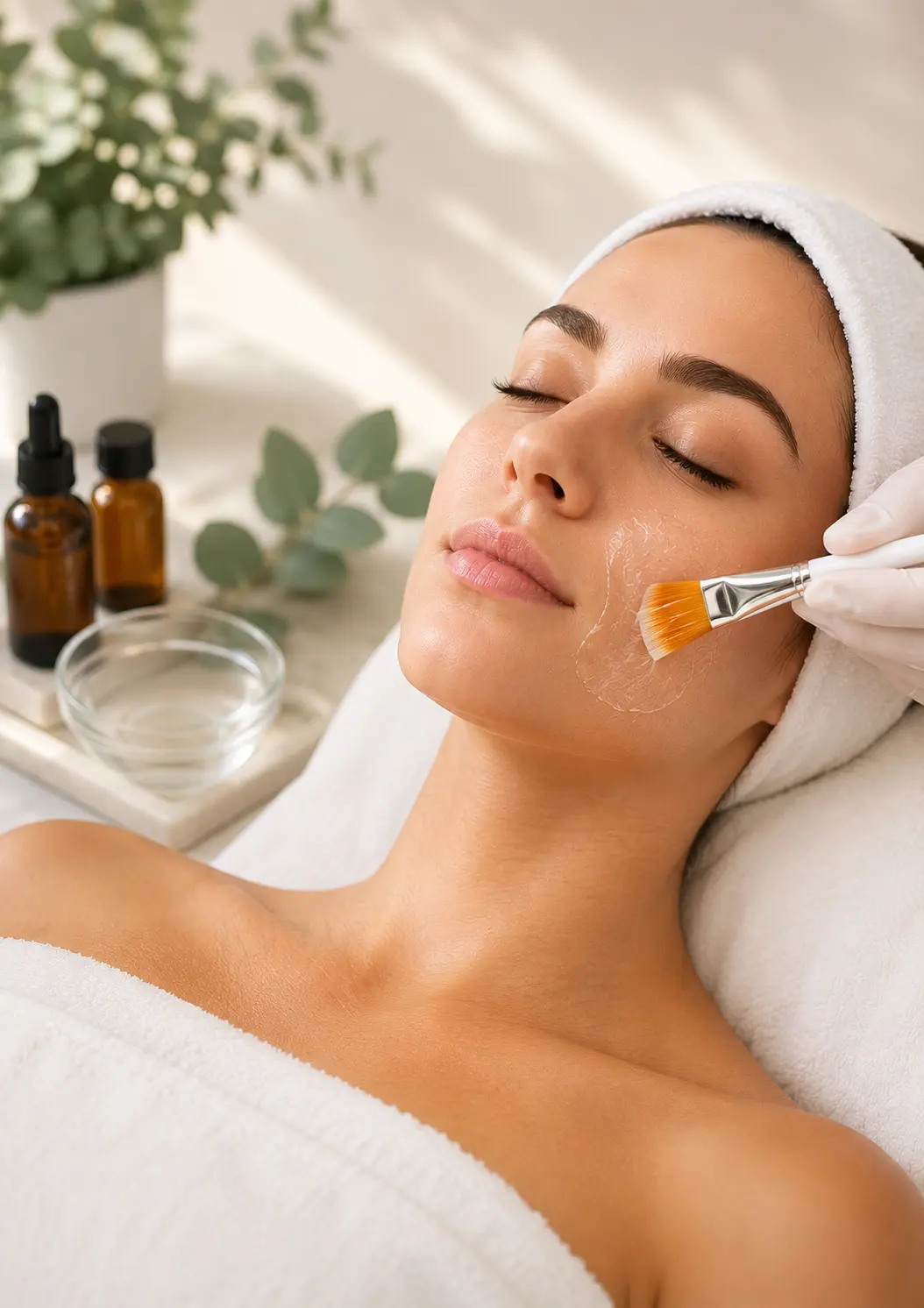
3. Application: The peel solution is applied and left on for a carefully timed period. You may feel mild tingling, warmth, or a light sting.

4. Neutralize and soothe: The solution is removed or neutralized, and a calming, protective layer is applied to the skin.

5. Aftercare plan: You leave with clear instructions, recommended products, and sunscreen guidance to protect your fresh skin.

Most light and medium peels take only about thirty minutes, which makes them easy to fit into a lunch break or a busy week.

Your Chemical Peel Results Timeline

Knowing what is normal helps you stay calm during the peeling phase. While every peel and every patient is a little different, a medium-depth peel usually follows this pattern:

  • Days 1 to 2: Skin may look slightly red or tight, similar to a mild sunburn
  • Days 3 to 5: Visible flaking and peeling as the old surface sheds
  • Days 5 to 7: Peeling finishes and brighter, smoother skin is revealed
  • Weeks 2 to 4: Tone continues to even out and texture keeps improving as new collagen forms

Light peels move through this far faster with minimal flaking, while deep peels take longer. Resisting the urge to pick at peeling skin is the single most important thing you can do to protect your result.

Downtime and Aftercare

Downtime depends entirely on depth. Light peels may cause mild flaking for a day or two, medium peels usually involve three to seven days of visible peeling, and deep peels need the longest recovery. Whatever the depth, the aftercare basics are the same and they make a real difference to your final result:

  • Wear broad-spectrum SPF every day and avoid direct sun, since new skin is highly sensitive
  • Do not pick or pull at flaking skin, let it shed naturally
  • Keep skin gently hydrated and pause retinoids or exfoliants until your provider clears them
  • Follow the product recommendations from your appointment to support healing

Chemical Peel vs Other Resurfacing Treatments

A chemical peel resurfaces with acids, while microneedling creates tiny channels to trigger collagen and dermaplaning physically removes dead skin and peach fuzz for instant smoothness. For deeper acne scarring, many patients get the best result by combining a peel with microneedling over a treatment plan rather than relying on one alone. It is also worth knowing what a peel cannot do: it refreshes the skin surface but does not restore lost volume, so concerns like deep folds or flat cheeks are better matched with injectables. You can compare these options and their pricing on our treatments and pricing page, or simply ask during your consultation.

How Much Does a Chemical Peel Cost in Glendale?

Chemical peel cost depends on the type of peel and how many sessions your skin needs. Across the Glendale and Los Angeles area, light peels generally start around $100 to $150, while medium-depth peels cost more because they work deeper and deliver more visible change.

At Elevate Aesthetics, the medium-depth Perfect Peel Dermapeel is $350 per session, or $900 for a package of three, which lowers the per-treatment cost for the series that most pigmentation and texture concerns respond to best. See full, transparent pricing on our pricing page, and check our current specials for seasonal savings, since recent promotions have included a reduced rate on the Perfect Peel.

Note: Final pricing is confirmed at your consultation and depends on your skin, the peel selected, and whether you choose a single session or a package.

Why Choose Elevate Aesthetics in Glendale

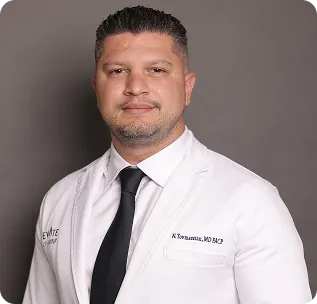
Elevate Aesthetics is a women-owned medical spa in Glendale, CA, trusted by more than 10,000 clients and rated 4.9 stars. Our chemical peels are overseen by experienced medical professionals, including Dr. Garen Derhartunian and Dr. Narbeh Tovmassian, so your treatment is matched to your skin rather than a one-size-fits-all package. The goal is simple: results that look natural and skin that stays healthy long after your appointment.

Chemical Peel FAQs - Glendale, CA

Medium-depth peels such as the Perfect Peel Dermapeel tend to work best for acne scars and uneven texture, often as a planned series. For deeper or boxcar scars, your provider may combine the peel with microneedling to reach the result more effectively.

The Perfect Peel Dermapeel is Elevate's medium-depth chemical peel, performed under physician supervision. It targets pigmentation, melasma, sun damage, and uneven tone with a predictable few days of peeling, making it a strong choice when discoloration is your main concern.

Yes, but sun protection becomes even more important because freshly peeled skin is highly sensitive to UV. Daily broad-spectrum SPF and limited sun exposure protect your result and reduce the risk of new pigmentation. Lighter peels are often preferred in peak summer.

In the week or two before, pause retinoids and strong exfoliants, avoid waxing on the area, stay out of the sun, and wear SPF. If you are prone to cold sores, tell your provider so they can prescribe preventive medication ahead of time.

Most providers ask you to skip makeup for the first day or two so the skin can breathe and begin its renewal cycle. Once any active peeling has finished and your provider gives the go-ahead, you can return to makeup as normal.

A single peel gives a noticeable refresh, but stubborn pigmentation and melasma usually respond best to a series of three or more sessions spaced a few weeks apart, paired with a good home skincare and SPF routine. The package of three is built for exactly this.

It varies by depth. Light peels often cause only mild flaking, while medium peels lead to visible peeling for roughly three to seven days. The amount of peeling does not determine how well it works, so avoid picking and let it shed on its own.

Ready to Refresh Your Skin?

If you have been searching for a chemical peel near me in Glendale or Los Angeles, the best first step is a personalized skin assessment. Book your free consultation at Elevate Aesthetics and our team will recommend the peel type and plan that fit your skin and your goals.

Call 818-855-8403 or book at /book-appointment/. Located at 509 1/2 E Broadway, Glendale, CA 91205. Monday–Thursday 10am–6pm | Friday 10am–5pm | Saturday 9am–4pm.

Elevate Aesthetics
509 1/2 E. Broadway, Glendale, CA 91205
4.95 stars
Opening Hours
Monday - Thursday10:00 AM - 5:00 PM
Friday10:00 AM - 4:00 PM
Saturday9:00 AM - 2:00 PM
SundayClosed
Newsletter background

Stay In The Loop

Get updates on new treatments, promotions, and clinic news.