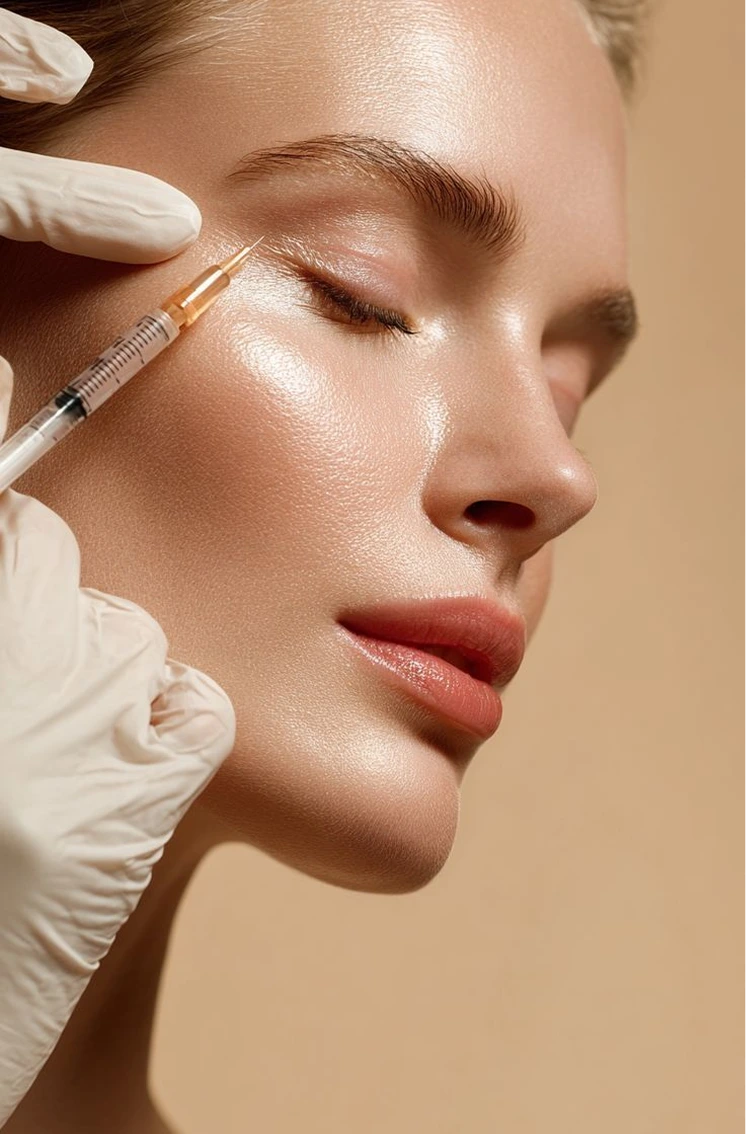

Botox treatment preparation for longer-lasting wrinkle reduction results.
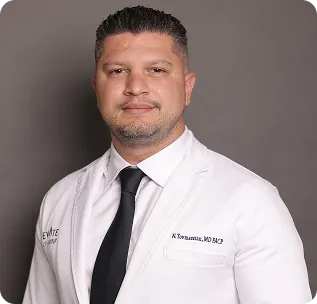
Reviewed by Dr. Narbeh Tovmassian, MD, FACPWritten by Ani Mardirosian

How Long Does Botox Last And 7 Proven Ways to Make Your Results Last Longer

You notice it first around the three-month mark. Your frown lines are coming back. Not all at once - just a gradual return of movement in the muscles you had treated. By month four, you are back to the expression that first sent you looking for an appointment.

Botox is not permanent. Most patients know this before they book. What fewer people understand is why it wears off, what makes it last longer for some patients than others, and - most importantly - what you can actively do to extend the time between appointments.

This guide covers all of it, based on what we see every day in our Glendale practice. At Elevate Aesthetics, Botox treatments are performed under physician supervision with dosing calibrated to each patient's muscle anatomy - because the right dose is the single biggest factor in how long your results actually last.
How Long Does Botox Last on Average?

For most patients, Botox results last between 3 and 4 months. This is the range that holds up most consistently in clinical practice, and it is the honest answer you should expect from any reputable provider.

First-time patients tend to fall toward the shorter end - sometimes 2 to 3 months - because their muscles have never been treated and the neurotoxin is doing heavier work against a fully active muscle. Patients who have been receiving consistent Botox for a year or more commonly see their results extend toward 4 to 5 months between sessions.

This progression is real and well-established. With each treatment cycle, the repeatedly rested muscle gradually undergoes atrophy - a natural reduction in size and strength from reduced use. A smaller, weaker muscle requires less neurotoxin to relax and takes longer to regain full function. Consistency builds on itself.

What Botox does not do: become less effective over time. If your results seem shorter than they used to be, the cause is almost never that your body has "gotten used to" the product. There are specific, identifiable reasons for shorter duration - and most of them are fixable.

Why Does Botox Wear Off?

Understanding the mechanism helps dispel a lot of the anxiety patients bring to this question.

Botox works by temporarily blocking the acetylcholine signal at the neuromuscular junction - the point where a nerve ending communicates with a muscle. When that signal cannot get through, the muscle cannot contract, and the overlying skin cannot fold into a wrinkle. The block is chemical, not structural, which is why the effect is fully reversible.

Over time, the body regenerates new nerve terminals at the junction. As these new nerve endings sprout and grow toward the muscle fiber, the signal pathway is gradually restored. The muscle regains its ability to contract, starting weakly and building to full strength over several weeks.

This is normal physiology - not a failure of the treatment. It does not mean Botox "stopped working." It means the body completed its repair cycle, exactly as expected. The practical implication: the timeline of your results is largely a function of how fast this nerve regeneration happens in your specific body, which is influenced by several factors you can actually control.

What Affects How Long Botox Lasts?

No two patients metabolize Botox at exactly the same rate. At Elevate Aesthetics, Dr. Garen Derhartunian MD and Dr. Narbeh Tovmassian MD assess each patient's history and anatomy before every appointment to calibrate the dose that produces the most durable result. The main factors that influence how long your results last:

Metabolic rate. Patients with higher overall metabolic rates - those who run hot, exercise intensely, or have naturally fast metabolisms - tend to process Botox faster. This is not a reason to avoid treatment; it is simply a physiological fact that affects how often you should schedule appointments.

Muscle size and strength. The larger and stronger the muscle, the more neurotoxin is needed to achieve the effect, and the faster the muscle may regain function as new nerve endings form. Patients with strong, hyperactive facial muscles often see shorter duration than those with smaller, less active muscles.

Units administered. Lower doses produce shorter duration. This is the most controllable factor. Patients who start with conservative baby Botox dosing may experience 2 to 3 months of results, while patients who receive full therapeutic doses in the same area regularly see 3 to 5 months. Underdosing to save money on a session often costs more over time.

Treatment frequency over time. Patients who maintain a consistent schedule - every 3 to 4 months - see progressive duration improvement as treated muscles gradually atrophy. Patients who wait 6 or more months between treatments allow the muscles to fully recover, resetting the accumulation effect back to baseline.

Sun exposure. UV radiation accelerates skin breakdown broadly and may affect how Botox behaves in tissue. Patients who spend significant time in unprotected sun exposure - easy to do in Glendale's climate - tend to see faster turnover than those with consistent SPF habits.

How Long Does Botox Last by Treatment Area?

Duration also varies by the area being treated, primarily because different muscles have different sizes, movement frequencies, and dose requirements.

The masseter outlier is worth noting. Because it is a large, powerful chewing muscle, it responds to Botox for a longer duration than most facial expression muscles. Patients using Botox for jaw slimming or TMJ-related tension often report 4 to 6 months of benefit per session - the longest duration of any common treatment area.

The lip flip and brow lift show shorter duration because they involve small muscles treated at low doses. Precision placement takes priority over volume in these areas, which means the product clears faster.

Treatment AreaTypical Duration
Forehead horizontal lines3-4 months
Glabella / frown lines (11s)3-4 months
Crow's feet3-4 months
Brow lift2-3 months
Lip flip2-3 months
Neck bands (platysmal bands)3-4 months
Masseter / jaw slimming4-6 months

Botox vs. Dysport: Does One Last Longer?

A common question from patients who have heard of both neurotoxins. The short answer: for most patients, the duration is comparable.

Dysport uses a different protein formulation than Botox, which causes it to diffuse slightly more in tissue upon injection. This can be advantageous for larger surface areas like the forehead, where broader spread means more even coverage. Some patients report that Dysport activates slightly faster - within 2 to 3 days, compared to Botox's typical 3 to 5 days. Duration, however, averages 3 to 4 months for both products.

Whether Dysport or Botox produces a longer result for a specific patient is individual and sometimes only determinable through a trial of each. Our medical directors discuss both options during consultations and recommend based on anatomy, treatment area, and goals.

7 Proven Ways to Make Your Botox Results Last Longer

These are practical, evidence-informed strategies - not marketing claims. Each one has a real mechanism behind it.

1. Avoid intense exercise for 24-48 hours after your appointment.

High-intensity exercise increases circulation and can accelerate the dispersion of the neurotoxin away from the target muscle before it fully binds. A light walk is fine; HIIT, heavy lifting, or heated yoga are not. The window that matters most is the first 24 hours.

2. Do not touch, massage, or press on treated areas for 24 hours.

Physical pressure can displace the product before it fully binds to the neuromuscular junction. This includes facial massages, sleeping facedown, and resting your face against your hand. The binding process is mostly complete within the first few hours, but giving it a full day is best practice.

3. Stay upright for at least 4 hours after treatment.

Lying down after Botox is a common precaution because of the theoretical risk of product migration to adjacent muscles. The research on this is limited, but most practitioners advise it as a sensible precaution during the initial binding window.

4. Wear SPF daily without exception.

UV exposure does not just cause skin damage - it accelerates breakdown of tissue environment in ways that may shorten injectable results. In Glendale's climate, year-round daily SPF is non-negotiable for any patient investing in Botox outcomes.

5. Keep your treatment schedule consistent.

The most powerful predictor of longer-lasting Botox is a consistent treatment history. Patients who return at the 3 to 4 month mark - before the muscle fully recovers - accumulate progressive atrophy in the treated muscles over time. Each session builds on the last. For patients treating multiple areas, our current specials and package pricing make consistent scheduling significantly more cost-effective over time.

6. Make sure you are receiving the right dose.

Underdosing is the most common reason patients report shorter-than-expected results. If your last session lasted only 2 months, the first thing to investigate is whether you received enough units for your muscle anatomy. Review our pricing page and bring your treatment history to your next physician consultation - the fix is often simply adjusting the unit count upward.

7. Consider zinc supplementation before your appointment.

Botulinum neurotoxins require zinc ions to function at the neuromuscular junction. A published study by Alpaugh et al. found that patients who took a phytase-zinc supplement (marketed as Zytaze) before their appointment reported longer-lasting results. The evidence is limited but the mechanism is plausible - zinc deficiency, which is more common than many patients realize, may be contributing to shorter duration. Discuss this with your physician before your next session to see whether supplementation makes sense for you.

When Should You Book Your Next Botox Appointment?

The optimal timing for a follow-up Botox appointment is around the 3 to 3.5 month mark - before the muscle has fully recovered its range of motion.

Waiting until all movement has returned, or until your wrinkles are back at baseline, resets the accumulation effect. The muscle has had time to fully recover, and your next session is essentially starting over. Coming in while the muscle is still partially at rest means the next treatment reinforces an already-resting muscle, and the duration of the following session will be incrementally longer.

At Elevate Aesthetics in Glendale, book your complimentary consultation and our front desk can help you set up a recurring schedule that keeps your results consistent year-round without over-treating.

Frequently Asked Questions

Yes, for most patients. Consistent treatment over time produces progressive atrophy in the treated muscles, which extends the duration of each successive session. Patients who have been receiving Botox for two or more years commonly report that what used to last 3 months now lasts closer to 4 to 5 months between appointments.

Intense exercise immediately after treatment can accelerate dispersal of the product from the target site during the binding window. Once Botox has fully bound (typically within 24 hours), normal exercise has no established effect on duration. Patients with a high-intensity exercise lifestyle may metabolize Botox slightly faster due to elevated metabolic rate, but the effect is modest and not a reason to avoid treatment.

For most patients in most facial expression areas, 6 months is above the reliable upper end. Masseter treatment is the exception, where some patients see 5 to 6 months of results. In forehead and glabella areas, the strategies above can push duration toward the higher end of the 3 to 5 month range - but 6 months is not a realistic expectation for the majority of facial expression areas.

Not inherently - but it is worth investigating why. The most common causes are insufficient dosing, high metabolic rate, or waiting too long between sessions. Bring your treatment history to your next physician consultation so your provider can identify the likely cause and adjust accordingly.

Botox pairs well with many other treatments at Elevate Aesthetics. Explore our <a href="https://www.elevateaestheticsla.com/services">full range of aesthetic services</a> to see what works alongside your Botox schedule - our physicians will recommend the right combination approach based on your skin goals and treatment history.

Book Your Botox Appointment at Elevate Aesthetics in Glendale

Whether you are trying to understand why your last session wore off faster than expected, or you are planning your first appointment and want to know what to expect, a physician consultation is the most direct way to get answers calibrated to your actual anatomy.

At Elevate Aesthetics in Glendale, all Botox treatments are performed under the direct supervision of Medical Directors Dr. Garen Derhartunian MD and Dr. Narbeh Tovmassian MD.

Call 818-855-8403 or book your complimentary consultation online. We are located at 509 1/2 E Broadway, Glendale, CA 91205.

Elevate Aesthetics
509 1/2 E. Broadway, Glendale, CA 91205
4.95 stars
Opening Hours
Monday - Thursday10:00 AM - 5:00 PM
Friday10:00 AM - 4:00 PM
Saturday9:00 AM - 2:00 PM
SundayClosed
Newsletter background

Stay In The Loop

Get updates on new treatments, promotions, and clinic news.