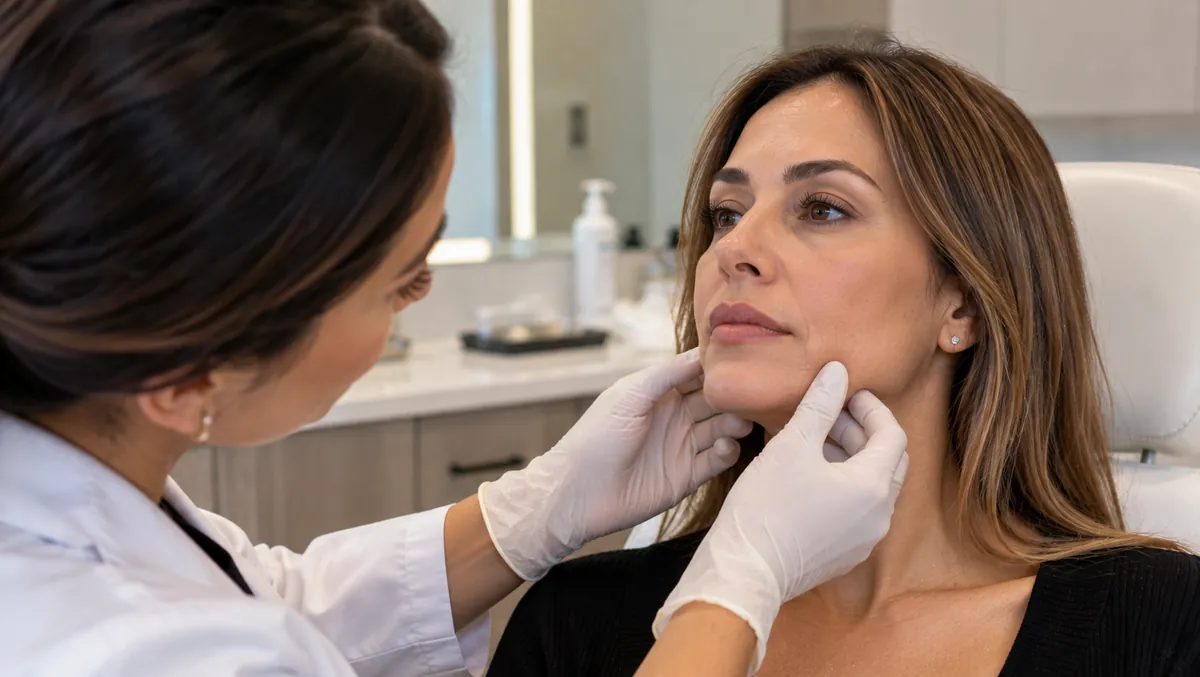

Clinician assessing a woman's face during a Botox consultation.
Reviewed by Dr. Narbeh Tovmassian, MD, FACPWritten by Ani Mardirosian

Botox for Women in Their 30s: Best Starting Areas, Units Needed & Cost Guide in Glendale

The age at which women first consider Botox has shifted. A decade ago, most patients came in for the first time in their late 30s or early 40s, when lines were already established. That pattern has changed. Women in their 30s now represent one of the fastest-growing groups seeking Botox, and many providers consider this timing ideal rather than premature.

The thinking behind earlier treatment is straightforward. Botox injections work by temporarily relaxing the muscles responsible for expression lines. When those muscles are treated before repeated movement has permanently etched a crease into the skin, the result is not just softening what exists but slowing down what would otherwise develop.

This guide covers which areas respond best for women starting in their 30s, how many units each area typically requires, what a realistic first appointment looks like, and what treatment costs in Glendale.
Why Your 30s Is a Smart Time to Start

There are two types of facial lines: dynamic and static. Dynamic lines appear during facial movement, things like squinting, frowning, and raising your eyebrows, and they disappear when your face relaxes. Static lines are visible even when your face is at rest, because years of repeated movement have creased the skin permanently.

In your 30s, most people are still primarily dealing with dynamic lines. The forehead crease that appears when you raise your brows, the vertical lines between your eyebrows when you frown, the lines beside your eyes when you smile. These lines respond quickly and cleanly to Botox because the underlying cause is active muscle movement, not permanently set skin.

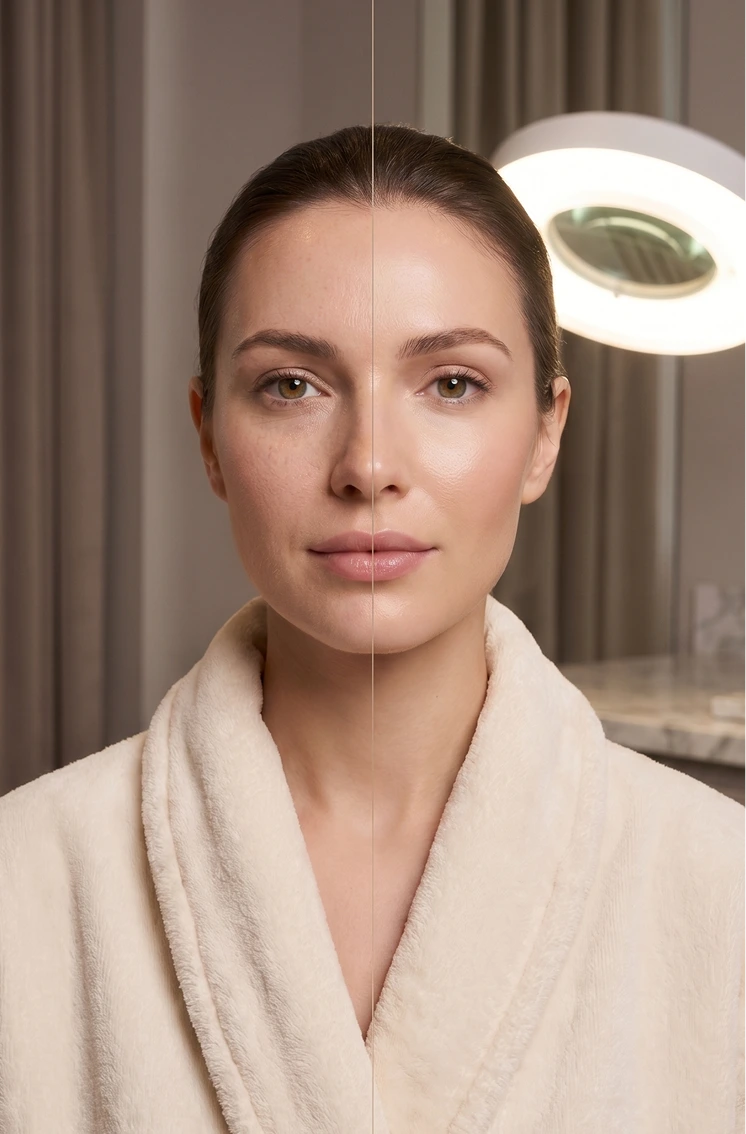
Treating dynamic lines while they are still dynamic is the clinical basis for what is commonly called preventative Botox. The goal is not to achieve a frozen or treated look in your 30s but to prevent those lines from becoming static before your 40s and beyond.

The American Academy of Dermatology notes that neuromodulator treatments, when used consistently over time, can reduce the depth of established lines and delay the formation of new ones, supporting the case for beginning treatment before lines have set.

Best Starting Areas for Women in Their 30s

Most first-time patients in their 30s start with the same three areas. These are the zones where dynamic lines appear earliest and where Botox produces the most predictable results.

The glabella (the 11 lines between your eyebrows) is often the first area women notice and the most requested starting point. The corrugator and procerus muscles that create these lines are responsible for the furrowed, stern, or stressed expression that many patients find bothersome even in early photos. Botox here relaxes the vertical pinch between the brows and creates a more open, rested appearance.

The forehead is typically treated alongside the glabella rather than independently. The frontalis muscle, which raises the brows and creates horizontal forehead lines, often compensates when the glabella is treated alone, resulting in brows that feel heavy. Treating both together produces a more balanced result.

Crow's feet, the lines that fan out from the outer corners of the eyes during smiling and squinting, are commonly added to a first appointment as well. These lines tend to develop earlier in patients who squint frequently outdoors or spend time in bright light, and they respond well to Botox at any stage of development.

Beyond these three, some women in their 30s add a Botox brow lift, which involves placing small amounts of Botox beneath the tail of the brow to create a subtle lift at the outer corner. This is not a standard first-appointment addition for most patients, but it is worth discussing if a slightly drooping outer brow is something you have already noticed.

How Many Units Do You Need?

Unit counts vary by muscle size, strength, and individual anatomy. The ranges below reflect typical first appointments for women in their 30s who are treating dynamic lines rather than deep-set static creases.

The glabella typically requires 20 to 25 units for full relaxation of the frown lines. The forehead typically takes 10 to 20 units, with lower doses common for first-time patients and for women who want to preserve some natural movement. Crow's feet typically take 10 to 15 units per side, for a total of 20 to 30 units across both eyes.

A first appointment covering all three areas generally uses 50 to 70 units total. Patients who start with lighter doses may find they want slightly more at the follow-up once they see how their face responds.

The American Society of Plastic Surgeons consistently reports that Botox and related neuromodulators are the most performed minimally invasive cosmetic procedure in the United States, with growing uptake among patients under 35.

What Preventative Botox Actually Means in Practice

Preventative Botox is a well-used phrase that is sometimes misunderstood. It does not mean starting injections in your 20s as a precaution before you have any lines. It means beginning treatment when dynamic lines are visible during expression but have not yet etched themselves permanently into your skin.

For most women, this window falls somewhere in the late 20s to mid-30s, but the timing varies based on genetics, sun exposure, and how expressive your natural movement patterns are. Someone who squints in bright light every day may develop crow's feet earlier than someone who wears sunglasses consistently and maintains a strong skincare routine.

What makes the preventative case compelling is muscle memory. The more often a muscle contracts to create a particular expression line, the more reliably that crease appears, until eventually it stays even when the face is at rest. Treating the muscle with Botox during the dynamic phase interrupts that pattern before the static crease develops.

What to Expect at Your First Botox Appointment

A first Botox appointment is shorter than most patients expect. After a brief consultation to review your concerns and assess your facial anatomy, the injections themselves typically take ten to fifteen minutes.

Your provider will ask you to make several expressions so they can observe where and how strongly your muscles contract. This informs both placement and dose. Most providers mark the injection sites before beginning, and the injections are made with very fine needles that most patients describe as a small pinch or brief sting.

There is no downtime in the traditional sense. Most patients return to their regular activities the same day. You may notice small bumps or mild redness at the injection sites, which typically resolve within a few hours. Bruising is possible but not common.

Results begin to appear within five to seven days. Most patients see the full effect at two weeks, which is also when providers typically assess the result and determine if any touch-up is needed. Results last three to four months on average.

How Much Does Botox Cost in Glendale?

Botox is priced per unit at most practices, so the total cost for your appointment depends on how many units are used. A first appointment covering the glabella, forehead, and crow's feet, typically 50 to 70 units, is the most common first-appointment scope for women in their 30s.

Current pricing at Elevate Aesthetics LA is listed on the pricing page. Active promotions on injectables are listed on the specials page and are updated regularly, so checking before your appointment can reduce the per-unit cost.

Patients who plan to treat multiple areas or return on a regular schedule sometimes find that practices with loyalty pricing or package options offer better value over time. Ask about available options at your consultation.

Frequently Asked Questions

No. The 30s represent a practical window for beginning treatment because most patients in this age range are still dealing with dynamic lines rather than static ones. Treating dynamic lines before they permanently crease the skin is the basis for preventative Botox, and it tends to produce more natural-looking results with lower doses than treating established static lines requires. Starting at 30 is not early in the clinical sense; for many patients it is well-timed.

The frozen look comes from too many units, wrong placement, or both. A provider who calibrates the dose to your muscle strength and places it correctly will preserve natural movement while reducing line visibility. First-time patients in their 30s typically respond well to conservative dosing that allows expression to remain while softening the lines that bother them most. If you are concerned, say so at your consultation and ask your provider to start light.

Most patients in their 30s return every three to four months to maintain results. Over time, some patients find they can stretch appointments slightly longer as they continue treatment, because the muscles relax more readily after repeated sessions. A few patients eventually need to come in less frequently as the preventative effect accumulates, though this varies by individual.

Yes. Some patients prefer to start with the glabella only and add areas at follow-up appointments once they know how their face responds to treatment. Starting with one area is a reasonable approach, especially if you are uncertain about what to expect. Your provider can recommend a logical starting point based on which area is most visible or most bothersome to you.

Botox relaxes muscles to reduce expression lines. Filler adds volume to restore areas that have lost fullness or to smooth static lines that remain at rest. Most women in their 30s starting Botox for the first time do not also need filler, but the two are sometimes combined to address different concerns in the same appointment. Your provider can assess at the consultation whether filler is relevant to what you want to achieve.

Book a Consultation

If you are ready to book your first Botox appointment or want to discuss which areas make sense for you, contact Elevate Aesthetics LA to schedule a consultation.

Elevate Aesthetics
509 1/2 E. Broadway, Glendale, CA 91205
4.95 stars
Opening Hours
Monday - Thursday10:00 AM - 5:00 PM
Friday10:00 AM - 4:00 PM
Saturday9:00 AM - 2:00 PM
SundayClosed
Newsletter background

Stay In The Loop

Get updates on new treatments, promotions, and clinic news.